Earth Day Activities That Build Environmental Stewardship in Adoptive Families
Earth Day is more than a date on the calendar. For adoptive families, it can be a powerful occasion to come together, explore the natural world, and build shared values around caring for the environment. Nature has a unique ability to calm the nervous system, encourage curiosity, and create opportunities for meaningful connection. When families participate in Earth Day activities with intention, they are not just teaching children about ecology. They are planting seeds of responsibility, cooperation, and belonging.
Whether your child is drawn to hands-on projects or quiet observation, there is an Earth Day activity that can meet them where they are. In this post, we will explore how environmental stewardship connects to the adoption journey, share specific activities you can try together, and offer guidance on making these moments both fun and emotionally supportive.
Why Earth Day Matters for Adoptive Families
Earth Day provides a natural framework for conversations about care, responsibility, and interconnection. These are themes that resonate deeply with adoptive families. Children from hard places often benefit from experiences that reinforce the idea that they are part of something larger, that their actions matter, and that the world around them is worth protecting.
Spending time outdoors has well-documented benefits for emotional regulation and stress reduction. For children who have experienced trauma, outdoor experiences can serve as a calming reset, reducing cortisol levels and creating space for authentic interaction. Earth Day gives families permission to slow down, step outside, and engage with the world together in a low-pressure way.
Environmental stewardship also teaches children that small actions lead to meaningful outcomes. Watering a plant, picking up litter, or composting food scraps are tangible ways to show a child that what they do has an impact. For children who may struggle with a sense of agency or self-worth, this kind of hands-on participation can be deeply affirming.
Eco-Friendly Crafts and Projects for the Whole Family
Crafts and hands-on projects offer a creative way to celebrate Earth Day while reinforcing environmental awareness. These activities work well indoors or outdoors and can be adapted for a range of ages and abilities.
Here are some eco-friendly projects your family can try together:
Seed Bombs
Mix wildflower seeds with clay and compost, shape them into small balls, and toss them into a garden bed or open green space. Children love the hands-on mess, and it teaches them about pollination and plant life cycles.
Upcycled Planters
Use old cans, jars, or containers to create painted planters for herbs or flowers. This introduces the concept of reusing materials and gives children a personalized project to care for.
Nature Journals
Give each family member a small notebook and encourage them to sketch, press leaves, or write about what they observe outdoors. Over time, this becomes a keepsake that documents the family's shared experiences.
DIY Bird Feeders
Coat a pinecone in peanut butter and roll it in birdseed, then hang it outside. Watching birds visit the feeder can become a daily ritual that builds anticipation and observation skills.
Trash Art Sculptures
Collect clean recyclables and challenge the family to create a piece of art. This sparks conversation about waste, consumption, and creative problem-solving.
These projects are not just about the finished product. The process of working together, making decisions, and celebrating each other's contributions builds cooperation and trust.
Nature-Based Activities That Build Connection
Not every Earth Day activity needs to be elaborate to be meaningful. Some of the most powerful family moments happen through simple, sensory-rich experiences in nature. The key is choosing activities that invite collaboration and allow space for conversation, laughter, and shared discovery.
Consider starting with a family nature walk where each person collects one item that catches their eye, such as a leaf, a stone, or a feather. Once home, you can arrange these items into a nature collage or display. This kind of play-based exploration encourages creativity while also giving each family member a voice in the process.
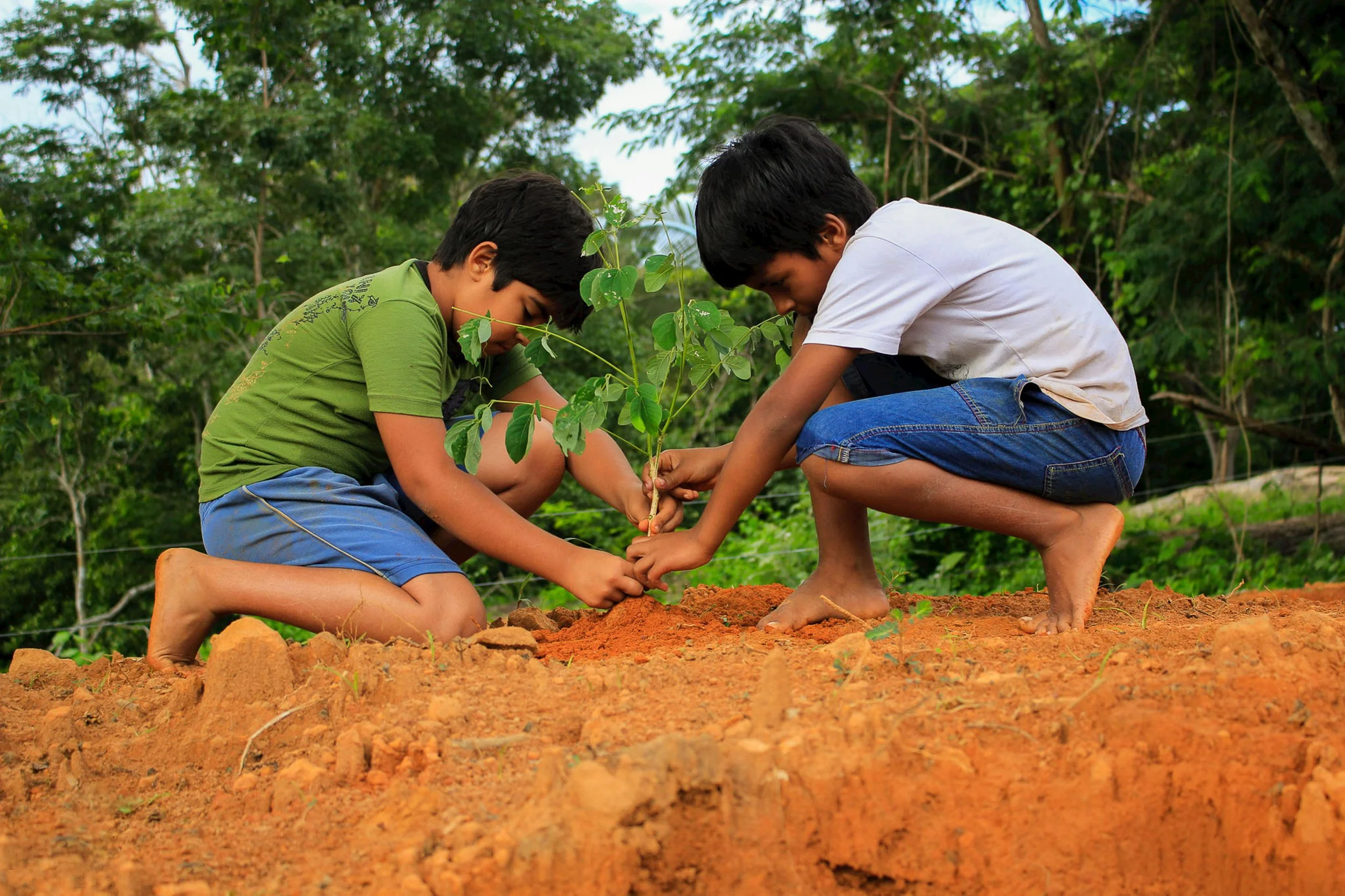
Gardening is another wonderful option. Planting a small herb garden, a flower bed, or even seeds in recycled containers allows families to work toward a shared goal. The act of nurturing a plant over time mirrors the patience and care involved in building secure relationships. Children can take ownership of their plant, checking on it daily and celebrating its growth.
Bird watching, cloud gazing, and bug hunting are quiet activities that encourage presence and curiosity without requiring a lot of energy or preparation. These slower-paced experiences can be especially grounding for children who feel overstimulated by structured or high-energy events.
Ways to Weave Environmental Stewardship Into Daily Life
Earth Day is a great starting point, but environmental stewardship becomes most meaningful when it is woven into everyday routines. Here are five ways to make eco-friendly living a consistent part of your family's life:
1. Create a Family Recycling Station
Designate a space in your home where recyclables, compost, and reusable items are sorted. Involve your child in labeling bins and deciding what goes where. This builds responsibility and gives children a concrete way to contribute to the household.
2. Adopt a Neighborhood Green Space
Choose a park, trail, or community garden that your family visits regularly. Bring a bag to pick up litter each time you go. Over weeks and months, your child will see the difference their effort makes, reinforcing the connection between small actions and positive outcomes.
3. Start a Seasonal Planting Tradition
Each spring, plant something new together. Whether it is a tree, a vegetable patch, or a container of wildflowers, this seasonal activity strengthens bonds and creates a living marker of time spent as a family. Children can help choose what to plant and track its growth.
4. Practice Mindful Nature Walks
Turn your regular walks into sensory experiences. Ask your child to notice three things they can see, two things they can hear, and one thing they can feel. This simple mindfulness exercise supports emotional regulation and helps children feel grounded in the present moment.
5. Read and Learn Together
Visit the library and choose books about animals, ecosystems, or environmental heroes. Reading together opens the door to conversations about how families and communities can protect the planet. It also provides a calm, connected activity that supports literacy and attachment.
These practices help children internalize the idea that caring for the world around them is a natural extension of caring for each other.
Making Earth Day Inclusive and Trauma-Informed
When planning Earth Day activities, it is important to consider your child's unique needs and comfort level. Children from hard places may have sensory sensitivities, anxiety around new environments, or difficulty with transitions. A trauma-informed approach means meeting your child where they are and allowing flexibility in how they participate.
Start with activities in familiar settings, like your backyard or a park your child already knows. Avoid over-scheduling the day with too many events or expectations. Instead, offer two or three choices and let your child take the lead. This sense of autonomy can be empowering for children who have not always had a say in what happens to them.
If your child becomes overwhelmed, step back and offer a calm, grounded presence. Sitting quietly in nature together can be just as valuable as completing a project. The goal is connection, not perfection. When your child feels safe and supported, they are far more likely to engage meaningfully with the experience.
It is also helpful to create an environment at home that reflects the values you are building together. Displaying nature finds, keeping plants in shared spaces, or hanging your child's Earth Day artwork in a visible spot reinforces the message that their contributions matter.
How PCC Supports Families in Growing Together
At Parent Cooperative Community, we believe that families grow strongest when they share meaningful experiences rooted in connection and care. Earth Day activities align with the kind of intentional, strengths-based approach that we champion through our programs and services. Whether you are new to your adoption journey or navigating ongoing challenges, PCC is here to walk alongside your family.
Our team helps parents develop the tools they need to turn everyday moments into opportunities for bonding and growth. From therapeutic support to community-based learning, we equip families with strategies that honor each child's history and potential.
Conclusion
Earth Day is an invitation to step outside, slow down, and reconnect with the world and with each other. For adoptive families, it offers a chance to build shared values, celebrate small victories, and create traditions that deepen over time. Every seed planted, every walk taken, and every craft completed together is a step toward a stronger family bond. If your family is looking for support in building these connections, reach out to PCC to learn how we can help.
At Parent Cooperative Community, we are dedicated to supporting adoptive families every step of the way. If you have any questions or need assistance, please reach out to us. Together, we can build loving and lasting family bonds. Contact us today to learn more!