Managing Academic Expectations for Children from Hard Places
For many adoptive parents, watching their child struggle in school can feel both heartbreaking and confusing. You may find yourself wondering why your child cannot seem to keep up with peers, why homework turns into a nightly battle, or why the strategies that work for other families do not seem to apply. Children from hard places often enter school carrying invisible weight: the effects of early trauma, attachment disruptions, prenatal exposures, and developmental gaps that traditional classrooms are not always equipped to address.
The good news is that with the right perspective and support, your child can make meaningful progress. This blog explores why conventional academic expectations may not fit every child, how trauma impacts learning, and what you can do to advocate for your child while protecting the parent-child relationship.
Why Traditional Academic Expectations May Not Apply
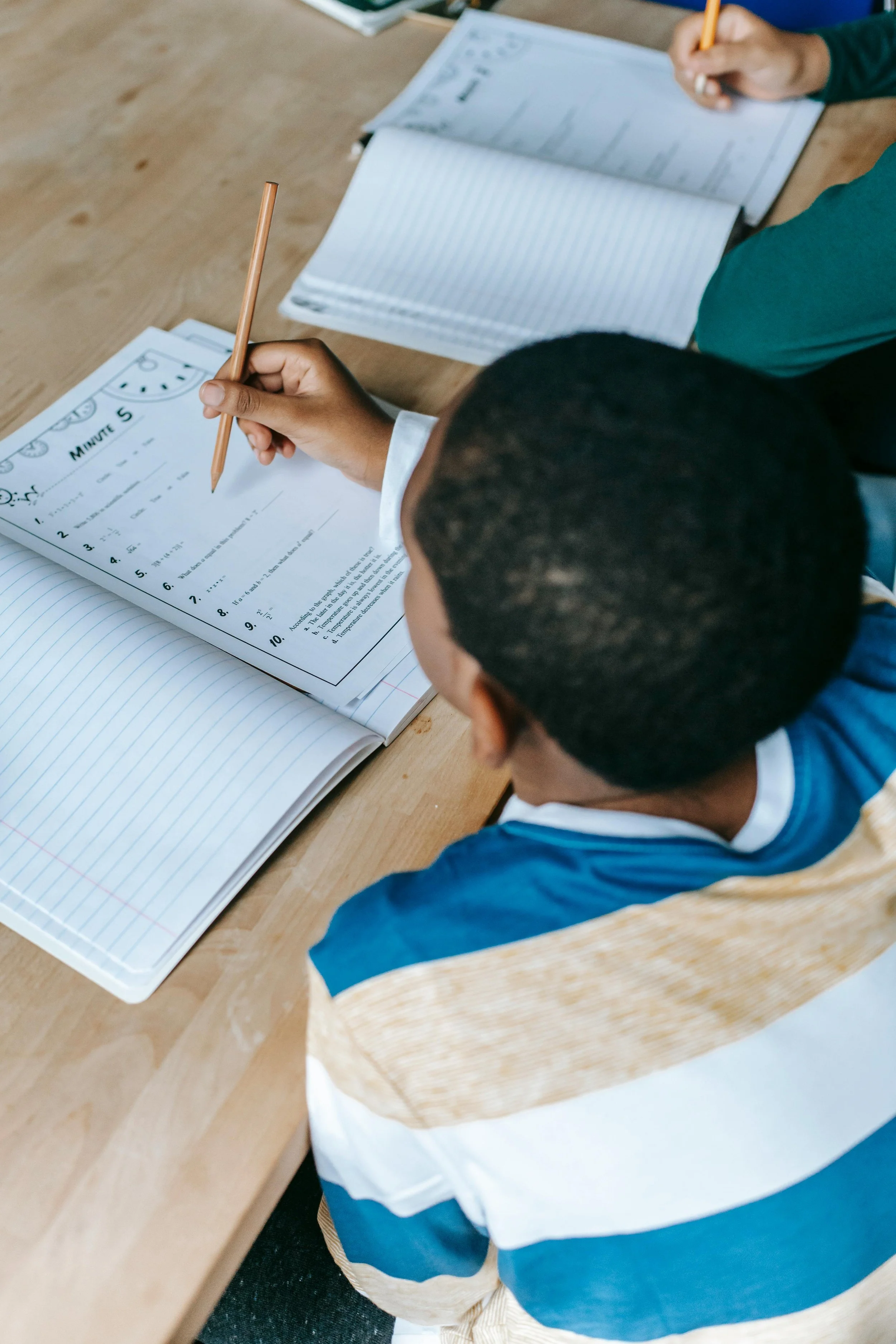
Most schools operate on a set of benchmarks tied to age and grade level. Children are expected to read by a certain point, master multiplication tables on a timeline, and demonstrate social skills that match their chronological age. For many children from hard places, these benchmarks do not account for the realities of their early experiences.
A child who spent their first years in an environment marked by neglect, instability, or fear may have missed critical windows for language development, sensory integration, or executive function skills. Their brain, focused on survival, may not have had the opportunity to build the neural pathways that support sustained attention, working memory, or emotional regulation in a classroom setting. This is not a reflection of intelligence. It is a reflection of what the brain prioritizes when safety is uncertain.
When parents and educators measure these children against standard timelines, the result is often frustration on all sides. The child may internalize the message that they are "not good enough," which can deepen shame and erode motivation. Parents may feel pressure to push harder, inadvertently turning the home into an extension of the stressors the child already faces at school. Understanding that trauma triggers can influence behavior and performance is a critical first step in shifting expectations toward something more supportive.
How Trauma Impacts Learning
Trauma does not just affect emotions. It rewires the brain in ways that directly impact a child's ability to learn. When a child has experienced chronic stress or adversity, the areas of the brain responsible for higher-order thinking, such as the prefrontal cortex, may be underdeveloped. Meanwhile, the amygdala, the brain's alarm system, may be overactive, keeping the child in a state of heightened alertness that makes it nearly impossible to focus on a math worksheet or follow multi-step instructions.
Children who have experienced early adversity may also struggle with sensory processing, which affects how they take in and respond to information in the classroom. Bright lights, loud noises, crowded hallways, and even the texture of certain materials can feel overwhelming. These sensory challenges are not behavioral choices. They are neurological responses that require understanding and accommodation.
Additionally, many children from hard places experience what professionals call "developmental age versus chronological age" gaps. A ten-year-old who experienced significant early deprivation may function socially or emotionally at a younger level. This can affect everything from peer relationships to the ability to sit still during a lesson. Recognizing these gaps allows parents and teachers to set goals that are realistic, compassionate, and rooted in where the child actually is, rather than where a chart says they should be.
Reframing Success in the Classroom
One of the most powerful things an adoptive parent can do is redefine what success looks like for their child. This does not mean lowering the bar. It means adjusting the bar so that it sits at a height where the child can reach it, feel proud, and build from there.
Success for a child from a hard place might look like raising their hand in class for the first time, completing a task without a meltdown, or reading one more page than they did last week. These moments deserve recognition and celebration. Positive reinforcement tied to effort rather than outcome helps children build an internal sense of competence and motivation that lasts far longer than any grade on a report card.
It is also important to separate the child's identity from their academic performance. When a child hears "you are so smart" only when they get an A, they learn that their worth is conditional. When they hear "I am proud of how hard you worked on that" regardless of the grade, they learn that effort and perseverance are valued. This distinction matters deeply for children whose sense of self may already be fragile.
Parents can also work with teachers to identify strengths and interests that the child can build on. A child who struggles with reading but excels at building or drawing may benefit from project-based learning opportunities. A child who has difficulty sitting still may thrive in a classroom that incorporates movement breaks. Finding and nurturing these strengths helps the child see themselves as capable and valuable.
Strategies for Supporting Your Child's Academic Journey
Navigating the school system on behalf of a child from a hard place takes patience, knowledge, and persistence. Here are six strategies to help you support your child's learning while protecting your relationship:
1. Learn About Your Rights as a Parent
Familiarize yourself with the Individuals with Disabilities Education Act (IDEA), Section 504 plans, and your state's specific education policies. You have the right to request evaluations, attend IEP meetings, and advocate for accommodations that reflect your child's needs. Advocacy during the school year is one of the most impactful things you can do.
2. Build a Collaborative Relationship with Teachers
Approach teachers as partners, not adversaries. Share relevant background information about your child's history in a way that helps educators understand behavior and learning patterns. A brief, trauma-informed conversation at the start of the year can set the tone for a supportive classroom experience.
3. Prioritize Emotional Safety Over Academic Output
If your child comes home from school overwhelmed, the last thing they need is more pressure. Create a home environment that prioritizes emotional safety, connection, and regulation before homework. A calm body and a secure relationship are prerequisites for learning, not luxuries.
4. Use Visual and Sensory Supports
Many children from hard places benefit from visual schedules, timers, fidget tools, and other sensory supports. These tools help children manage transitions, stay organized, and regulate their nervous systems throughout the school day. Work with your child's teacher or occupational therapist to identify what works best.
5. Celebrate Effort and Progress
Track your child's growth over time rather than comparing them to peers. Keep a folder of work samples, journal entries, or photos that show progress. Reviewing these together can be a powerful way to help your child see how far they have come.
6. Seek Professional Support When Needed
If your child's struggles feel persistent or escalating, consider consulting with a trauma-informed therapist, educational psychologist, or developmental specialist. Post-adoption behavioral support can help families access the right interventions at the right time.
These strategies are not about doing everything perfectly. They are about showing up consistently and meeting your child where they are.
The Role of Self-Advocacy in Academic Settings
As children grow, teaching them to advocate for their own needs becomes an essential part of their academic journey. Self-advocacy does not happen overnight. It is built through years of modeling, encouragement, and small opportunities to practice.
Start by helping your child name their feelings and identify what helps them learn best. Phrases like "I need a break" or "Can you repeat that?" are powerful tools that a child can carry with them into any classroom. Role-playing these conversations at home can build confidence before they happen in real life.
For older children and teens, self-advocacy might look like participating in their own IEP meetings, asking a teacher for extra time on an assignment, or choosing a study method that fits their learning style. These skills not only support academic success but also build the kind of resilience and agency that children from hard places need as they move toward independence.
How PCC Supports Families Through the Academic Journey
At Parent Cooperative Community, we understand that academic challenges are rarely just about academics. They are connected to a child's emotional world, their history, and their sense of safety. Our programs and services are designed to support the whole child and the whole family, addressing behavioral, emotional, and developmental needs in a compassionate and comprehensive way.
Whether you need guidance on navigating the school system, strategies for reducing homework-related conflict, or therapeutic support for your child, PCC is here to help. We partner with families to build approaches that honor each child's unique story and potential.
Conclusion
Managing academic expectations for a child from a hard place is not about giving up on their potential. It is about understanding their starting point, honoring their pace, and creating the conditions where real learning can happen. When parents shift from performance-driven goals to connection-driven support, children feel safer, more motivated, and more willing to take risks. If you are looking for guidance on supporting your child through school transitions and beyond, PCC is ready to walk alongside you.
At Parent Cooperative Community, we are dedicated to supporting adoptive families every step of the way. If you have any questions or need assistance, please reach out to us. Together, we can build loving and lasting family bonds. Contact us today to learn more!