Creating Fall Traditions That Honor Your Child's History
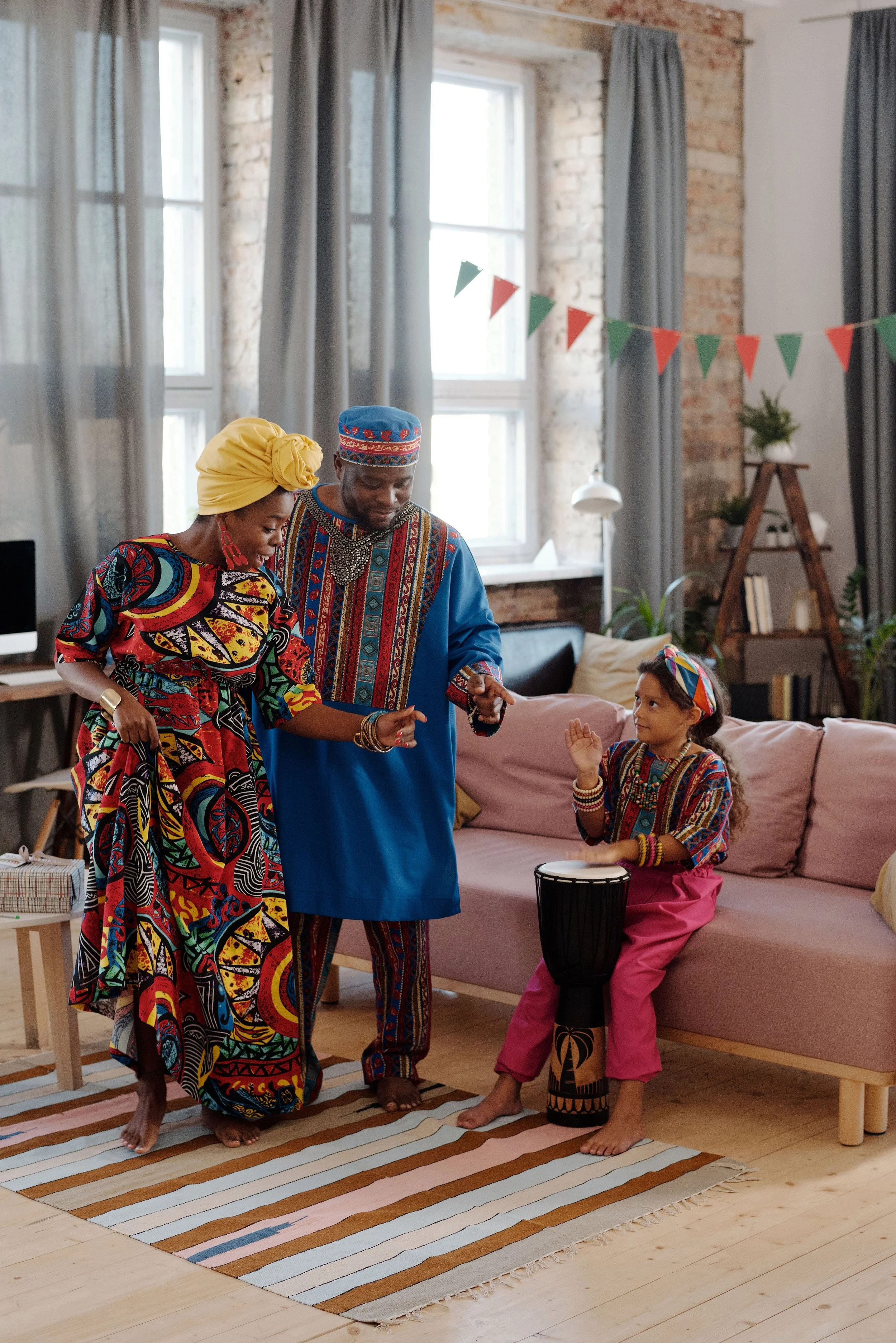
Family traditions are the quiet threads that weave a sense of belonging. As the leaves turn and fall settles in, many families lean into familiar seasonal rituals: apple picking, cozy movie nights, favorite recipes, and the comforting rhythm of the season. These traditions do more than fill a calendar. They tell every member of the family, "you belong here, and this is who we are together."
For children who joined their families through adoption or foster care, traditions can carry an even deeper significance. When we build them with intention, seasonal rituals can honor a child's full story, not only the chapter that began when they arrived. In this post, we will explore why a child's history matters so much to their sense of belonging, and how to create fall traditions that make space for every part of who they are.
Why History Matters in Belonging
Every child carries a history that predates their current family, and that history is a permanent part of who they are. A child's culture, early memories, birth family, and the story of how they came to your home are all threads in the fabric of their identity. When family traditions make room for those threads, they send a powerful and healing message: all of you belongs here.
The opposite is also true. When a child's past is ignored, even with the best of intentions, they can absorb the sense that parts of themselves must be hidden or set aside in order to fit in. Honoring a child's history does the reverse. It communicates that they do not have to choose between their past and their present, that they can be fully themselves and fully part of your family at the same time. This integration of a child's whole story is central to the healing work we support through our post-adoption family support.
Weaving the Past Into New Rituals
Honoring a child's history does not require you to overhaul your holidays or invent elaborate ceremonies. Often the most meaningful gestures are small, thoughtful touches woven into the traditions you already love.
Here are a few gentle ways to bring your child's story into your fall rituals:
Incorporate foods, music, or celebrations connected to your child's birth culture into seasonal gatherings
Create a memory or life-book activity as a recurring ritual, adding photos and stories each year
If it fits your family's situation, include birth family in age-appropriate ways, such as sending a fall photo or a short note
Light a candle or set a place that quietly acknowledges the people and places that are part of your child's story
Read books together that reflect your child's background, culture, or adoption experience
The specific traditions matter less than the message behind them: your whole story is welcome here. Families we work with through our family support programs often find that these small rituals become some of the most treasured moments of their year.
Following Your Child's Lead
Honoring history is not about forcing conversations or spotlighting your child in ways that feel exposing. Children differ enormously in how they want to engage with their story. Some love to explore it openly and ask questions; others prefer it woven in quietly, felt more than discussed.
The key is to watch your child's cues and let them set the pace. Offer opportunities, then give your child the freedom to take you up on them or not.
A tradition that feels meaningful to one child might feel overwhelming to another, and the same child's needs may shift from year to year. Consent and comfort keep these rituals healing rather than stressful. When your child feels in control of how their story is honored, the traditions become a source of connection rather than pressure. This attunement to each child's unique needs is a hallmark of the individualized approach reflected in our story.
Building Traditions Thoughtfully
Creating meaningful traditions is less about doing everything and more about doing a few things with care. The following steps can help you build rituals that genuinely serve your child.
1. Start small and build over time
You do not need to establish a dozen new traditions at once. Choose one simple ritual this fall and let it take root. Traditions gain their power through repetition, so a single practice repeated each year will mean more than an elaborate one-time event.
2. Invite your child into the creation
Whenever possible, let your child help shape the tradition. A ritual your child helped design carries their fingerprints and feels like theirs, which deepens their sense of ownership and belonging.
3. Hold traditions loosely
Be willing to adjust as your child grows and their needs change. A tradition that resonated at age six may need reworking at age twelve. Flexibility keeps rituals alive and responsive rather than rigid or hollow.
4. Make room for all the feelings
Some traditions will bring joy, and some may surface sadness. Rather than steering away from difficult emotions, welcome them. Letting your child know that mixed feelings are normal and safe is one of the most healing gifts a tradition can offer.
Approached this way, traditions become living practices that grow alongside your child rather than boxes to check.
Adapting Traditions to Your Family's Situation
No two families share exactly the same circumstances, and traditions that honor a child's history need to fit the realities of your particular situation. A family in an open adoption may be able to weave in ongoing contact with birth family, while a family with little information about a child's origins may focus instead on honoring the child's culture or simply creating space for their feelings. Foster families, kinship caregivers, and families formed through transracial or international adoption each face their own considerations, and there is no single right way to do this well.
What matters is thoughtfulness rather than a particular formula. If you know little about your child's early history, you can still honor it by acknowledging that it exists and matters, by exploring their birth culture together, and by welcoming their questions without needing to have every answer. If contact with birth family is part of your child's life, seasonal rituals can offer natural, low-pressure moments to include them.
And if your family's story includes hard or painful chapters, traditions can be a gentle container for holding those realities with honesty and love. Tailor your approach to your child and your circumstances, and when you are unsure how to navigate a complex situation, know that support is available to help you think it through.
Holding Space for Mixed Emotions
It is worth preparing yourself for the reality that traditions touching on a child's history can stir joy and grief at the same time. A ritual that celebrates a child's birth culture may also remind them of what was lost. A memory book can bring both delight and ache. This emotional complexity is not a sign that you are doing something wrong; it is a sign that the tradition is reaching something real.
Rather than smoothing those feelings over or rushing to fix them, let them be welcome. Something as simple as "it makes sense to feel happy and sad at the same time" offers your child the gift of validation. Your steady, nonjudgmental presence teaches them that big, complicated feelings are safe to share with you. Over time, this is exactly how children learn to hold their own stories with self-compassion, an outcome we see reflected again and again in the families described on our impact page.
When to Lean on Extra Support
Sometimes honoring a child's history surfaces grief or questions that feel bigger than a family can hold alone, especially around holidays and seasonal milestones. If your child seems to struggle deeply when their story comes up, or if you feel unsure how to navigate questions about birth family or the past, additional support can help.
There is no shame in reaching for guidance. Trauma-informed professionals can help you and your child process complex feelings in a safe, supportive way. Families walking through these tender moments often find steady companionship through our post-adoption services.
Belonging That Lasts All Year
Fall traditions offer a beautiful starting point, but honoring a child's history is ultimately a year-round posture rather than a single event. When these rituals become a natural, expected part of family life, they reinforce a truth your child needs to hear again and again: their whole story is valued, and they belong here completely.
At Parent Cooperative Community, we help adoptive and foster families build traditions and everyday practices that nurture identity, connection, and belonging. If you would like support creating a home where your child's full story is honored, we invite you to explore our frequently asked questions or to reach out to our team.
At Parent Cooperative Community, we are dedicated to supporting adoptive families every step of the way. If you have any questions or need assistance, please reach out to us. Together, we can build loving and lasting family bonds. Contact us today to learn more!