Building Independence While Maintaining Connection
Encouraging independence is one of a parent's most important jobs. We want our children to grow into capable, confident adults who can navigate the world on their own two feet. But for families formed through adoption or foster care, the path to independence carries an added layer of complexity. A child who has experienced disrupted attachment may hear "you can do this on your own" as something far more frightening: "you are on your own."
The encouraging truth is that independence and connection are not opposing goals. You do not have to choose between raising a self-sufficient child and keeping a close, secure bond. In fact, the two grow best together. In this post, we will explore why connection comes first, how to offer independence in ways that feel safe, how to stay close through the ups and downs, how to individualize your approach, and how to care for yourself along the way.
Why Connection Comes First
It can feel counterintuitive, but healthy independence grows out of secure attachment rather than in place of it. Think of a young child at a playground. The ones who explore most confidently are the ones who periodically glance back to make sure their caregiver is still there. That secure base, the felt certainty that someone safe is available, is exactly what gives a child the courage to venture out.
For children from hard places, that secure base may still be under construction. Early experiences may have taught them that adults are unpredictable or that needs go unmet. This means independence needs to be offered gently and paired with consistent reassurance that the relationship is not at risk.
When a child trusts that connection is stable, they can take risks, make mistakes, and stretch toward autonomy without fearing abandonment. Building that trust is at the heart of the work we do through our family support programs.
Offering Independence in Right-Sized Steps
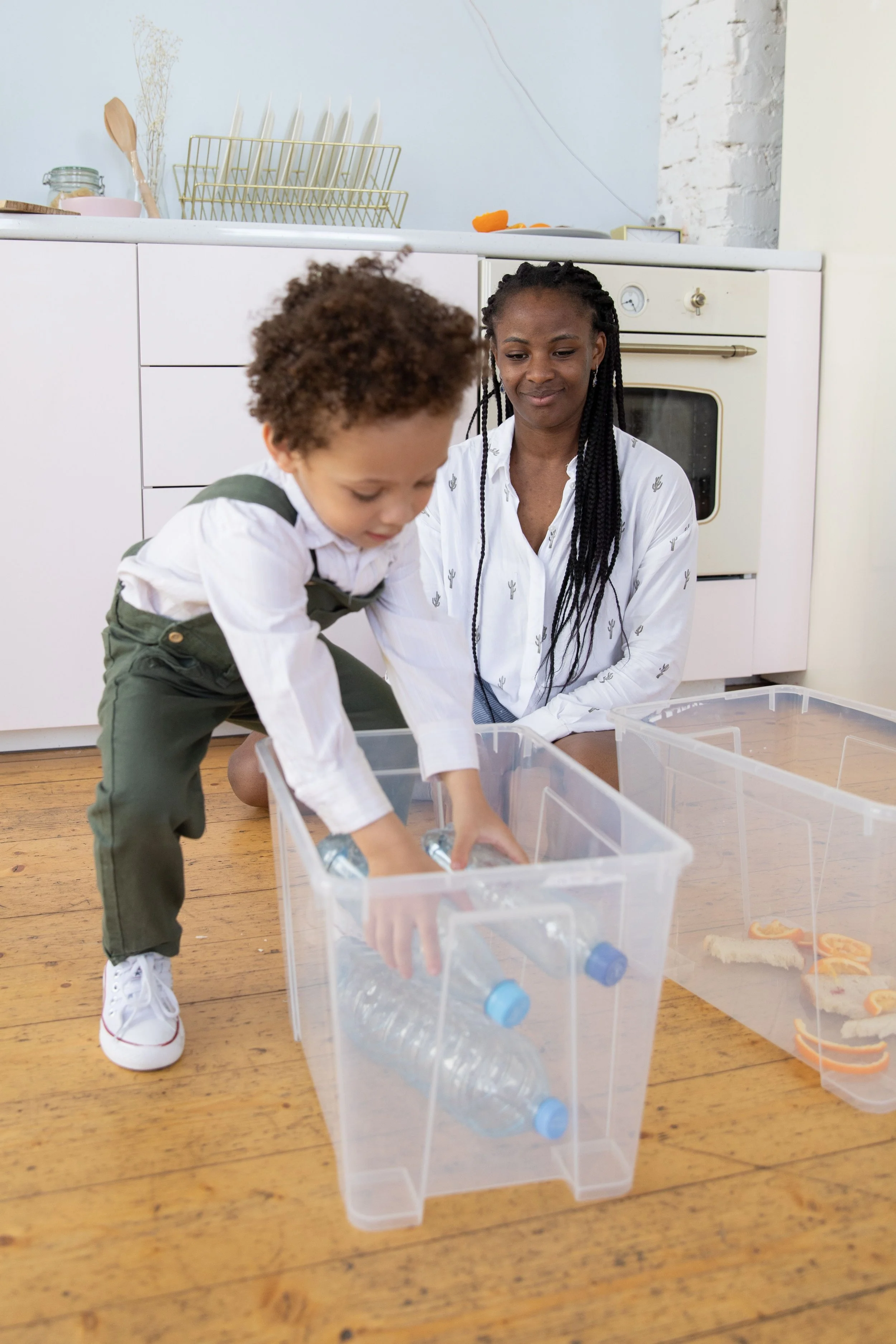
When independence feels overwhelming, children tend to resist it or collapse under it. The key is to offer autonomy in steps small enough to feel achievable, so each success builds genuine confidence rather than triggering fear.
Start where your child already feels reasonably secure and widen the circle gradually. A few ways to right-size independence include:
Offering age-appropriate choices, from picking an outfit to helping plan a family meal
Assigning a single manageable responsibility rather than a long list of new expectations
Letting your child take the lead on a task they have watched you do many times
Breaking a bigger goal into smaller stages, celebrating progress at each one
Allowing natural, safe consequences while staying present as a steady guide
Each small success tells your child, "I am capable, and I am still supported." Over time, those messages accumulate into real, durable independence. This gradual, strengths-based approach mirrors how we build parental capacity through our program.
Staying Connected Through the Process
Independence and connection reinforce each other when you stay emotionally available during the stretch. This is where many well-meaning parents get tripped up. It can be tempting to either hover anxiously or to step back entirely and hope the child rises to the occasion. Neither extreme serves a child who is still learning to trust.
Instead, aim to stay close without taking over. Check in without hovering. Celebrate effort rather than only outcomes. When your child struggles, resist the twin urges to rescue them or to withdraw in frustration. A calm, encouraging presence that says "this is hard, and I am right here" teaches your child that needing support and growing more capable can coexist.
That combination, warmth plus encouragement, is exactly what helps a child internalize both confidence and security. Families often tell us this shift in posture is what turns daily power struggles into moments of growth, a pattern reflected in the outcomes shared on our impact page.
Practical Ways to Grow Both at Once
Balancing independence and connection is not about grand strategies; it happens in the small, daily choices. The following approaches help you nurture autonomy and closeness at the same time.
1. Scaffold new skills, then step back
When your child is learning something new, do it alongside them first, then gradually reduce your involvement as their competence grows. This scaffolding gives them support at the start and space to shine as they master the skill, all while you remain a reassuring presence.
2. Use connection as the launch pad
Front-load moments of closeness before asking your child to stretch. A few minutes of warm, focused attention before a challenging task fills your child's emotional tank, giving them the security they need to take a risk.
3. Reflect their growing capability back to them
Children build their self-image from how we mirror them. Naming their competence, such as "you figured that out yourself," helps a child begin to see themselves as capable. Be specific and genuine rather than over-praising, so the message lands as true.
4. Keep repair at the center
You will get the balance wrong sometimes, pushing too hard or holding on too tightly. When that happens, repair the moment. A simple "I think I rushed you earlier, let's try again together" models humility and shows your child that connection survives mistakes.
These practices are not a checklist to complete perfectly. They are a posture to return to, again and again, as your child grows.
Independence Looks Different for Every Child
It is easy to compare our children to their peers, to siblings, or to where we imagine they "should" be by a certain age. But independence is not a single timeline that every child follows at the same pace. A child's readiness for autonomy is shaped by their developmental stage, their temperament, and the experiences they carry from before they joined your family. Two children the same age may need very different levels of support, and that is completely normal.
For children who have experienced trauma or disrupted attachment, some skills may come easily while others lag well behind what their age would suggest. A ten-year-old might handle certain responsibilities with ease yet still need a great deal of reassurance around separation. Rather than measuring your child against an external standard, watch the child in front of you. Notice where they feel secure and where they still need scaffolding, and adjust your expectations to fit their real needs rather than a chronological number.
This kind of attuned, individualized approach honors your child's unique story and prevents the frustration that comes from pushing too hard or holding on too tightly. When you meet your child exactly where they are, independence grows on a foundation that can actually hold it.
Expecting Some Back-and-Forth
Growth is rarely a straight line, and this is especially true for children who are still building a foundation of trust. A child who handled something independently last week may need extra closeness this week, particularly during transitions, stress, or seasons of change. It is easy to read this as regression and to worry that progress has been lost, but that interpretation misses what is really happening.
These moments of increased need are a normal part of the process. Your child is testing, often unconsciously, whether the safe base still holds when they reach back for it. Meeting that need with warmth, rather than pressure to "act your age," actually accelerates lasting independence. Every time you respond to their reaching with steadiness, you reinforce the security that makes future independence possible. This is one of the most common and most hopeful patterns we help families understand through our post-adoption family support.
Supporting the Whole Family
Balancing independence and connection asks a great deal of parents, and it is completely normal to second-guess yourself along the way. Some days you will wonder whether you are holding on too tightly, and other days whether you are pushing too fast. That uncertainty does not mean you are failing; it means you are paying attention. Caring for your own needs, leaning on community, and giving yourself grace are all part of parenting well over the long haul.
You do not have to navigate it alone. Trauma-informed support can help you read your child's cues, calibrate your expectations to their developmental and emotional needs, and build a plan that fits your unique family.
Growing Up, Together
Raising an independent child and keeping a close, secure bond are not competing goals. They are two threads of the same rope, stronger woven together than either could be alone. When you lead with connection, offer autonomy in right-sized steps, individualize your approach, and stay warmly present through the inevitable back-and-forth, you give your child the best of both worlds: the confidence to step forward and the security to know you are always there.
At Parent Cooperative Community, we help adoptive and foster families nurture independence without sacrificing the connection every child needs. If you would like support as your child grows, we invite you to learn more about the guidance and community available through our wraparound services or to explore answers to common questions on our FAQ page.
At Parent Cooperative Community, we are dedicated to supporting adoptive families every step of the way. If you have any questions or need assistance, please reach out to us. Together, we can build loving and lasting family bonds. Contact us today to learn more!