Volunteer Opportunities for Adoptive Families to Give Back
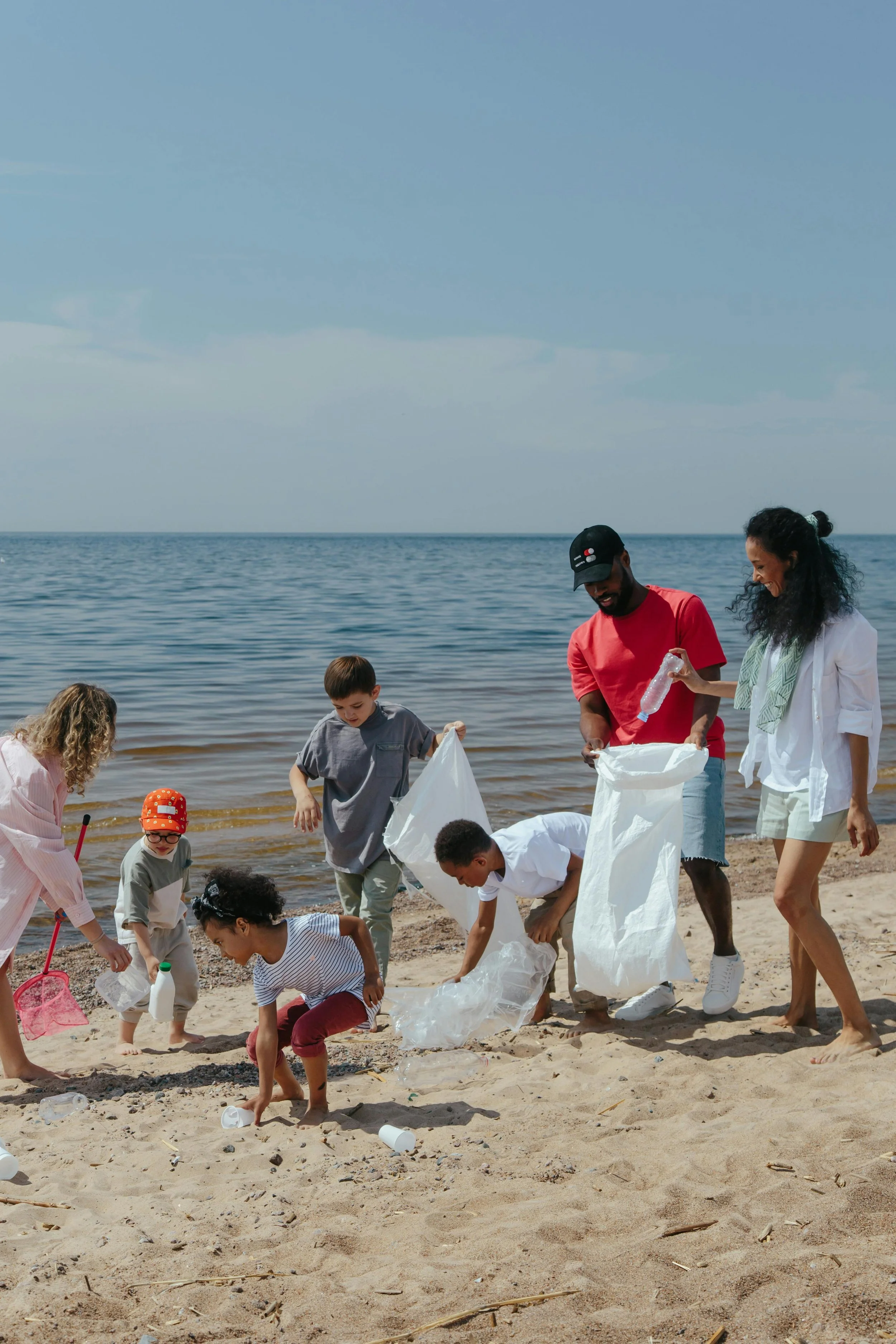
Volunteering as a family offers far more than just helping others. For adoptive families, service projects create unique opportunities to bond, build empathy, and help children develop a sense of belonging and purpose. When families work together toward a common goal, they strengthen their connections while making meaningful contributions to their communities. This guide explores volunteer opportunities that are especially well-suited for adoptive families and offers practical tips for making service a joyful part of your family's story.
Why Volunteering Matters for Adoptive Families
Service projects offer adoptive families something powerful: shared purpose. When families volunteer together, they work as a team toward goals that benefit others, creating a sense of unity and collective identity. For children who may still be developing trust and attachment, these collaborative experiences reinforce that they're part of something bigger than themselves, a family that values compassion and contribution.
Volunteering also teaches empathy in action rather than just words. Children see their parents caring about others' wellbeing and learn that helping is a core family value. For adopted children who may have experienced hardship themselves, giving back can be especially meaningful. It helps them see their own challenges in a broader context and recognize that they have strengths and gifts to offer others.
Service activities provide natural opportunities for connection without the pressure of forced interaction. Working side by side, whether at a food bank or community garden, creates space for organic conversations and shared accomplishments. These moments build trust and positive memories that strengthen family bonds over time.
Finally, volunteering helps children develop a positive sense of self. Many adopted children struggle with feelings of shame, unworthiness, or confusion about their place in the world. When they experience making a real difference in someone else's life, it counters those negative narratives with evidence of their value and capability.
Age-Appropriate Volunteer Activities
Different ages require different types of service opportunities, and matching activities to your children's developmental stages ensures everyone can participate meaningfully and enjoyably.
Younger Children (Ages 5-8)
Choose hands-on activities with visible, immediate impact like decorating cards for nursing home residents, collecting pet supplies for animal shelters, or helping with beach or park cleanups, as young children thrive when they can see the direct results of their efforts and when activities involve movement and creativity rather than sitting still.
School-Age Children (Ages 9-12)
This age group can handle more complex projects and understand abstract concepts like food insecurity or environmental conservation, so they might enjoy sorting donations at food banks, participating in community garden projects, helping with outdoor service activities, or making care packages for homeless individuals, as they often appreciate feeling trusted with real responsibilities.
Teenagers
Teens can engage in more sophisticated volunteer work and may want to choose causes they're passionate about, including tutoring younger students, participating in habitat restoration projects, volunteering at animal shelters, helping with community events, or supporting organizations that serve foster or adoptive families, as they benefit from opportunities to develop leadership skills and make independent contributions while still participating as part of the family unit.
Regardless of age, start with shorter commitments to gauge your family's interest and capacity, as a two-hour Saturday morning project feels manageable while committing to weekly volunteering might become overwhelming.
Community-Based Volunteer Opportunities
Local volunteer opportunities offer the advantage of regular participation and relationship-building within your community. Food banks and meal programs often welcome family volunteers to sort donations, pack meal boxes, or help serve food. These activities teach children about food insecurity while providing tangible help to neighbors in need.
Animal shelters provide another excellent option for families. Many shelters allow families to socialize animals, help with basic cleaning tasks, or organize supply drives. For children who find connecting with people challenging, working with animals can be therapeutic while still providing valuable service.
Community gardens combine service with outdoor activity and education. Families can help plant, maintain, and harvest produce that's donated to food pantries or low-income families. This teaches children where food comes from while connecting them with nature and their community.
Libraries and literacy programs often seek volunteers to read with children, organize books, or help with events. These opportunities allow families to support education while modeling the importance of learning and reading.
Environmental projects like park cleanups, tree planting, or trail maintenance offer physical activity combined with environmental stewardship. These projects work well for families who thrive with active, outdoor engagement and want to contribute to their local environment.
Supporting the Adoption Community
One particularly meaningful way for adoptive families to give back is by supporting others on similar journeys. Many organizations serving foster and adoptive families need volunteers for various roles. Families might help organize donation drives for children entering foster care, collect and distribute clothing and supplies, or assist with community events that bring adoptive families together.
Some families find purpose in mentoring newer adoptive parents, offering the benefit of their experience and providing emotional support during challenging times. This peer support can be invaluable for families just beginning their adoption journey and reinforces for more experienced families how much they've grown.
Consider volunteering with organizations that support birth parents or work in adoption education and advocacy. These activities honor all sides of the adoption constellation and teach children that compassion extends to everyone touched by adoption, including their birth families.
Participating in National Adoption Month events or supporting adoption awareness campaigns helps reduce stigma and increase understanding in your broader community.
Virtual and At-Home Service Projects
Not every family is ready for in-person volunteering, and that's okay. Many meaningful service projects can happen from home. Families can write letters or cards to deployed military members, hospital patients, or isolated seniors. This activity requires minimal supplies and can be done at each family member's own pace.
Creating care packages for various organizations provides another at-home option. Families might assemble hygiene kits for homeless shelters, comfort items for children in hospitals, or welcome bags for families in crisis. The shopping and assembly process becomes a family activity with a purposeful outcome.
Some families enjoy crafting items for charity: blankets for animal shelters, hats for newborns, or stuffed animals for emergency responders to give children in distressing situations. These projects combine creativity with service and can be done during family time at home.
Virtual volunteering has expanded significantly. Families might participate in online tutoring, data entry for nonprofits, social media support for causes they care about, or digital archive projects for historical societies. These options work especially well for families with teens who have strong technology skills.
Making Volunteering Meaningful
The key to successful family volunteering is choosing projects that align with your family's interests and values. Have conversations about what issues matter to your children and let them help select service opportunities. When children have ownership over the decision, they're more invested in the experience.
Prepare children for what to expect before each volunteer activity. Discuss who you'll be serving, what the work will involve, and why it matters. This preparation reduces anxiety and helps children understand the purpose behind their efforts.
After volunteering, debrief as a family. Ask questions like "What surprised you today?" or "How do you think our work helped?" These conversations help children process their experiences and internalize the values you're trying to teach. Reflecting on experiences together reinforces the learning and builds family connection.
Take photos during service projects and create a family service album or scrapbook. This visual reminder of your family's contributions reinforces your shared identity as people who care about their community.
Balancing Service with Family Needs
While volunteering offers many benefits, it's important not to overcommit, as adoptive families often face unique challenges that require time and energy.
1. Start Small and Build Gradually
Begin with one service project per month, which might be perfect for some families, while others thrive with more frequent involvement, but always pay attention to how volunteering affects your family's stress levels and adjust accordingly.
2. Give Permission for Breaks
It's okay if volunteering needs to take a backseat during particularly challenging periods, as your family's wellbeing comes first, and returning to service when everyone is in a better place teaches children that self-care enables service to others.
3. Don't Force Participation
Some children may resist volunteering initially, especially if they're working through their own trauma or struggling with empathy development, so don't force participation but do offer opportunities and model compassionate service yourself, as over time many children naturally develop interest in giving back once they feel more secure in their own lives.
Service should enhance family life and strengthen connections, not add stress or detract from the essential healing and attachment work your family needs.
Teaching Lasting Values Through Service
The ultimate goal of family volunteering isn't just completing projects but instilling values that last a lifetime. Through consistent service, children learn that their actions matter and that they have the power to make positive change in the world. They develop empathy by seeing others' experiences and circumstances different from their own.
Service teaches gratitude in a natural, non-preachy way. When children see what others struggle with, they often develop genuine appreciation for what they have without parents needing to lecture about being thankful. This experiential learning tends to be more lasting than words alone.
Volunteering also helps children develop important life skills: teamwork, problem-solving, communication, and responsibility. These competencies serve them well in all areas of life while being developed in the context of helping others.
For adoptive families specifically, service can be healing. It helps children see their own challenges as part of the human experience rather than something uniquely shameful. It shows them that everyone faces hardships and that people who've experienced difficulty often have special compassion for others struggling.
Conclusion
Volunteering as an adoptive family creates opportunities for connection, growth, and purpose that strengthen bonds while making real differences in your community. Whether you're serving meals, cleaning parks, supporting other adoptive families, or creating care packages from home, these shared experiences build resilience and teach compassion in ways that last far beyond each individual project.
As you explore volunteer opportunities, remember that the goal isn't perfection or maximum impact. It's about showing your children that your family values service, that everyone has gifts to share, and that working together toward meaningful goals strengthens your bonds with each other and your community.
Start where you are, choose activities that fit your family's current capacity, and let service become a natural part of your family's story. The memories you create and values you instill through giving back will shape your children's character and your family's identity for years to come.
For support in strengthening your family connections through shared experiences and values, contact PCC or explore our community resources designed specifically for adoptive families.
At Parent Cooperative Community, we are dedicated to supporting adoptive families every step of the way. If you have any questions or need assistance, please reach out to us. Together, we can build loving and lasting family bonds. Contact us today to learn more!