Reflections on Growth: Celebrating Family Milestones of the Year
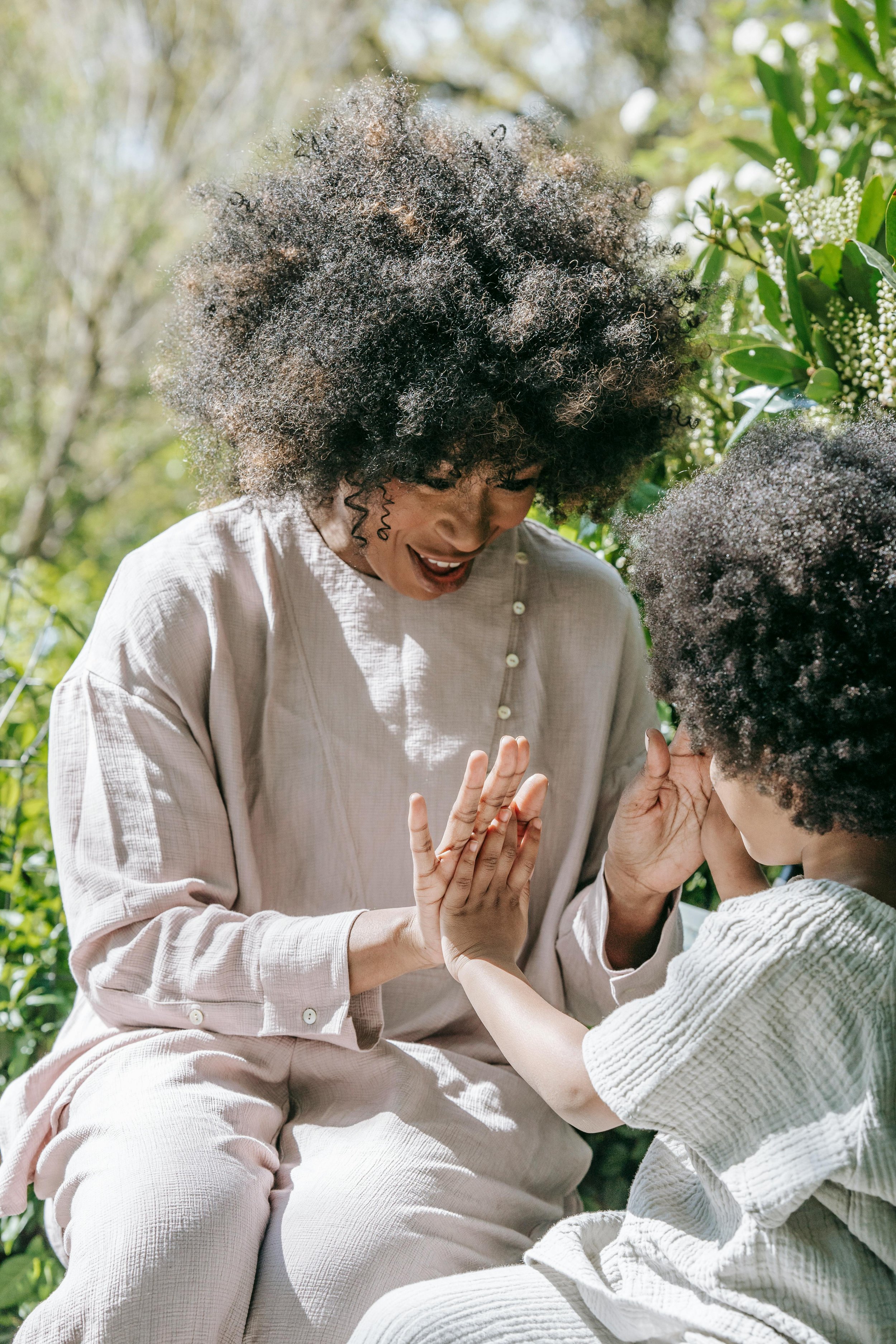
As another year draws to a close, adoptive families have a unique opportunity to pause, reflect, and celebrate the ground they've covered together. The adoption journey rarely follows a straight path, and progress often comes in unexpected forms. Taking time to acknowledge milestones, both large and small, honors the hard work everyone has put into building your family and reinforces the growth that may not always feel visible in daily life. This reflection isn't about perfection but about recognizing the courage, resilience, and love that have shaped your year together.
Why Reflection Matters for Adoptive Families
In the busyness of daily life, it's easy to focus on challenges and overlook progress. For adoptive families navigating trauma, attachment, and the complexities of building relationships, this tendency can be especially pronounced. Parents often fixate on behaviors that still need work or milestones not yet reached, missing the significant growth happening right before them.
Intentional reflection shifts this perspective. It creates space to see how far everyone has come, to acknowledge difficult moments that were navigated successfully, and to recognize patterns of growth that only become visible when you step back and look at the bigger picture. This practice benefits everyone in the family.
For children, hearing parents name their progress builds confidence and reinforces positive identity development. Many adopted children carry shame or believe they're fundamentally broken. When parents consistently point out growth, it counters those negative narratives with evidence of capability, healing, and forward movement.
For parents, reflection offers much-needed encouragement. Adoptive parenting can feel relentless, with few external markers of success. Taking time to acknowledge what you've accomplished, how you've grown as a parent, and the moments of connection you've created sustains you through challenging times and reminds you that your efforts matter deeply.
Reflection also strengthens family bonds by creating shared narratives of overcoming obstacles together. When families look back on hard seasons and recognize that they made it through, they develop confidence in their collective resilience.
Recognizing Different Types of Milestones
Milestones in adoptive families don't always look like the traditional markers celebrated in parenting books, and some of the most significant achievements are subtle and deeply personal to the adoption journey.
Attachment Milestones
The first time your child reached for comfort when upset, made eye contact during a vulnerable moment, or said "I love you" without prompting represents profound growth, as these moments signal increasing trust and security in your relationship, even if they came months or years after placement.
Emotional Regulation Progress
Maybe your child's meltdowns became shorter or less intense this year, or perhaps they started using words to express frustration rather than hitting, as these changes represent significant neurological and emotional development that deserve celebration.
Trust Milestones
A child who began telling you about their day at school, asked for help with homework, or invited you into their room to see something important has taken significant steps in allowing you into their inner world, while children who started advocating for themselves, expressing preferences, or showing vulnerability have made enormous strides.
Social and Relational Growth
Making friends, maintaining relationships, showing empathy toward siblings, or navigating conflicts more successfully than before all represent important development, and for children who experienced early neglect or trauma, these social skills often require deliberate learning and practice.
Academic Achievements and Life Skills
Learning to ride a bike, mastering reading, or cooking a meal certainly count as milestones, but in adoptive families, it's important to celebrate these alongside the emotional and relational milestones that may actually require more courage and growth.
Each type of milestone deserves recognition, as together they paint a complete picture of your child's development and your family's journey.
Creating Space for Family Reflection
Intentional reflection works best when built into family routines rather than treated as a one-time activity. Consider establishing regular reflection practices that work for your family's style and schedule. Some families dedicate time during Sunday dinners to share one thing they're proud of from the week. Others use car rides or bedtime as opportunities for these conversations.
Year-end reflection might take the form of a special family meeting where everyone shares highlights, challenges they overcame, and things they're grateful for from the past year. Make this comfortable and low-pressure. Sit on the floor with snacks, light candles, or do it during a favorite family activity. The goal is connection, not formality.
For younger children who struggle with abstract questions, use prompts that make reflection concrete: "What made you laugh the hardest this year?" "What was the bravest thing you did?" "When did you feel most loved?" These specific questions help children access memories and feelings more easily than broad requests to "think about the year."
Visual reflection activities work well for many families. Create a timeline of the year using photos, drawings, or written memories. Build a "year in review" poster together where everyone contributes images or words representing meaningful moments. Look through photos on your phone or computer together, letting images spark memories and conversations about growth.
Acknowledging Both Struggles and Victories
Honest reflection includes acknowledging that growth rarely happens without struggle. Creating space to name hard seasons or difficult moments validates everyone's experiences and models that challenges don't negate progress. You might say something like, "Remember how hard March was with all those big feelings? But look at how we figured out new ways to help you feel safe. That was really hard work, and we did it together."
This balanced approach teaches children that difficulty is part of growth, not evidence of failure. It normalizes the reality that some days, weeks, or months are harder than others, and that's okay. What matters is that you keep showing up for each other and finding ways forward together.
When reflecting on challenges, focus on what was learned or how the family grew through difficulty rather than dwelling on the pain. Frame struggles as opportunities that led to increased understanding, new skills, or a deeper connection. This reframing doesn't minimize the hard parts but puts them in the context of ongoing growth.
Celebrating little wins alongside big milestones shows children that all progress matters. The week with zero meltdowns, the bedtime that went smoothly, the moment they asked for a hug instead of shutting down, these moments deserve recognition alongside more dramatic achievements.
Ways to Celebrate and Document Growth
Celebration doesn't require elaborate parties or expensive outings. Simple, meaningful acknowledgments often resonate more deeply than grand gestures. Create a "wins jar" throughout the year where family members write down positive moments or accomplishments on slips of paper. Reading these together at year's end provides a powerful reminder of accumulated growth.
Start a family journal or scrapbook dedicated to milestones and memories. Let each family member contribute in their own way: drawings, photos, written entries, or dictated stories. Over the years, this becomes a tangible record of your family's journey and a treasure for children as they grow older and make sense of their story.
Take "milestone photos" beyond just birthdays and holidays. Capture moments like the first time your child invited a friend over, completed a challenging school project, or mastered a feared activity. These photos serve as visual evidence of growth and courage.
Consider creating family awards or certificates for meaningful accomplishments: "Best at Asking for Help When Upset," "Most Improved at Morning Routines," "Bravest Try of Something New." Make these fun and specific to your family's journey. Present them at a special family dinner or gathering.
Some families create an annual "family highlight reel" video, compiling clips and photos from throughout the year set to music. This becomes a cherished tradition and creates lasting memories that everyone can revisit.
Individual Growth Recognition
While celebrating family milestones together matters, also create space to honor each family member's individual growth. Children need to hear specific recognition of their unique progress, not just general praise about the family as a whole.
Spend one-on-one time with each child reflecting on their personal year. What are they most proud of? What surprised them about themselves? What do they want to work on next year? These conversations build individual identity and self-awareness while reinforcing that you see them as unique individuals, not just part of the family unit.
1. Honor Parents' Growth Too
Don't forget to honor parents' growth too. Adoptive parenting transforms you in profound ways. Take time to acknowledge your own learning, increased patience, new skills, or deepened understanding. You're growing alongside your children, and that deserves recognition.
2. Celebrate Sibling Relationships
If you have multiple children, celebrate growth in sibling relationships. Notice when children showed kindness to each other, worked through conflicts peacefully, or supported one another during difficult moments. These relationship milestones strengthen the family system as a whole.
3. Acknowledge Extended Family Support
Consider acknowledging extended family members or support people who contributed to your family's growth this year. Grandparents who learned about trauma-informed parenting, friends who provided childcare during therapy appointments, or teachers who went above and beyond all played roles in your family's journey.
Gratitude doesn't diminish your own efforts but recognizes that families thrive within communities of support.
Looking Forward While Honoring the Past
Reflection naturally leads to forward thinking. As you acknowledge the year's growth, invite family members to share hopes or goals for the coming year. Keep this light and possibility-focused rather than creating pressure or expectations. Ask questions like "What's something you'd like to try next year?" or "What would make next year even better?"
Help children set realistic, achievable goals that build on this year's growth. If a child struggled with anxiety but made progress in managing it, next year's goal might be to use coping skills independently rather than needing parent prompting. If attachment grew this year, next year might focus on deepening that security.
Create a family vision board or goal poster together. Let everyone contribute ideas, images, and hopes for the coming year. Display this somewhere visible as a reminder of your shared aspirations and values.
Remember that not every goal needs to be about fixing problems or working on challenges. Include fun goals too: places you want to visit, activities to try, or traditions to establish. Balance growth-oriented goals with joy-oriented ones.
When the Year Felt More Challenging Than Celebratory
Some years are harder than others, and it may feel difficult to find milestones worth celebrating. Perhaps attachment struggles intensified, behaviors became more challenging, or outside stressors overwhelmed the family. Even in these seasons, growth happened, even if it's harder to see.
Look for resilience rather than resolution. Maybe the problems didn't get solved, but your family learned to support each other through difficulty. Maybe trust didn't magically appear, but moments of vulnerability increased slightly. Maybe behaviors remain challenging, but everyone has developed more patience and understanding about what drives them.
Some years, the milestone is simply that you stayed together, kept trying, and didn't give up. That matters profoundly. Survival through hard seasons counts as success, especially in adoptive families where attachment and trauma make every day more complex.
If you're struggling to find positives, reach out to your support network for perspective. Therapists, parent coaches, or fellow adoptive parents can often see growth you're too close to notice. Sometimes an outside perspective helps identify progress that feels invisible when you're in the middle of the struggle.
Conclusion
Every adoptive family's journey is unique, and milestones come in countless forms. What matters isn't measuring your progress against other families but recognizing and celebrating the specific ways your family has grown together this year. By pausing to acknowledge this growth, you honor not just the destination but the journey itself, strengthening your family for whatever comes next.
For support in recognizing and building on your family's growth, connect with PCC or explore our resources for adoptive families navigating the beautiful complexity of this journey.
At Parent Cooperative Community, we are dedicated to supporting adoptive families every step of the way. If you have any questions or need assistance, please reach out to us. Together, we can build loving and lasting family bonds. Contact us today to learn more!