The Impact of Loss and Grief on Summer Celebrations
Summer is often pictured as a season of light, freedom, and celebration. Backyard barbecues, family reunions, fireworks, and long-awaited vacations fill the calendar. Yet for adoptive families, these same celebrations can carry a quiet undercurrent of grief that many caregivers do not anticipate. For an adopted child, sun-drenched gatherings may stir memories, longings, or questions about birth families, earlier homes, or the lives they once knew. Recognizing this complexity is the first step toward making summer a season of connection rather than confusion.
This post explores how loss and grief can shape an adopted child's experience of summer celebrations, why these emotions often intensify during this season, and how caregivers can respond with empathy, intention, and steady presence.
Why Summer Celebrations Can Stir Unexpected Grief
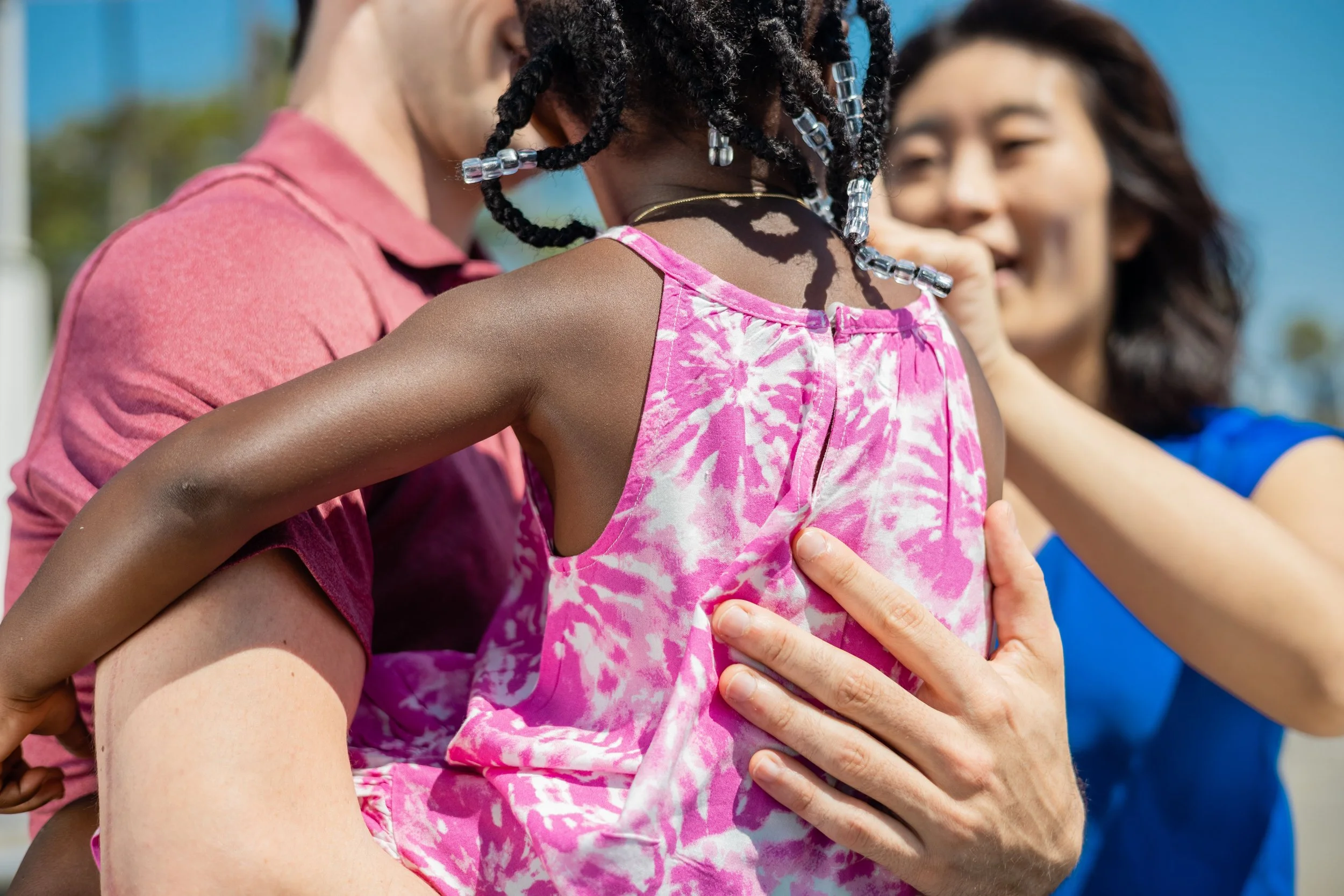
For adopted children, summer is rarely just summer. The season is layered with sensory cues, social expectations, and emotional history that can quietly amplify feelings of loss. A familiar smell from a cookout, a particular song at a fireworks display, or a relative's offhand comment about family resemblance can pull a child into emotional terrain that even they may not fully understand.
Many adopted children experience what clinicians describe as ambiguous loss, a grief tied not to a single event but to the ongoing absence of people, places, or stories that shaped their earliest years. Summer celebrations, with their emphasis on togetherness and tradition, can spotlight that absence. While other children may feel only excitement at a Fourth of July picnic, an adopted child may feel both joy and a tug of sadness they cannot easily explain. Honoring this dual experience is essential, and resources like our guide on combating seasonal challenges in adoptive families can help caregivers prepare for these emotional shifts.
Common Triggers Hidden in Summer Traditions
Summer traditions often involve elements that can quietly activate grief responses in adopted children. Caregivers who learn to spot these triggers can respond proactively, rather than reactively, when emotions surface.
Some of the most common summer triggers include:
Family reunions and extended gatherings, which can highlight biological resemblances, inside jokes, or shared histories the child does not share.
Photo-heavy events like weddings, graduations, or birthdays, where albums and slideshows may emphasize family lineage in ways that feel exclusionary.
Travel to new places, which can mirror the disorientation of past transitions, especially for children with multiple placement histories.
Loud, sensory-rich celebrations such as fireworks or crowded festivals, which can overwhelm a nervous system already primed for hypervigilance.
Conversations about birthdays or "gotcha days", which can blur the line between celebration and remembrance.
End-of-school-year transitions, which often leave children with unstructured time to sit with feelings they have been pushing aside, a dynamic explored further in our post on helping adopted children thrive during end-of-school-year transitions.
Noticing these triggers is not about avoiding celebration. It is about understanding what your child may be carrying into the room.
How Grief Can Show Up in a Child's Behavior
Grief in children rarely looks like sadness alone. Especially for adopted children, who may not yet have language for what they feel, grief often appears in the form of behavior shifts that can puzzle even attentive caregivers. A child who was excited about a beach trip last week may become withdrawn the morning of the drive. A teen who normally enjoys family game nights may suddenly want to stay in their room.
Caregivers may notice irritability, regression, sleep disturbances, appetite changes, or sudden clinginess. Others may see emotional flatness, a kind of going-through-the-motions energy at events that should feel meaningful. These responses are not defiance or ingratitude. They are the visible edge of an internal experience the child may not yet be able to name. Building mental health awareness within the family helps caregivers interpret these signals through a compassionate lens rather than a corrective one.
When grief shows up as behavior, the most helpful response is curiosity rather than correction. Asking yourself what your child may be feeling underneath the behavior often unlocks a deeper, more attuned response.
Practical Ways to Hold Space for Grief During Summer
Holding space for grief does not mean canceling joy. It means making room for the full emotional reality of your child, so that celebration and sorrow can coexist without one erasing the other. Here are six practical approaches that can help adoptive families navigate summer with greater care.
1. Name the Season Out Loud
Before a major celebration, talk with your child about what is coming up. Acknowledge that summer events can bring up complicated feelings, and let them know it is okay if they feel happy, sad, or both. Naming the emotional landscape ahead of time reduces shame when feelings arise.
2. Build in Quiet Moments
For children who feel overwhelmed by busy gatherings, build in scheduled pauses. A walk around the block, a few minutes in a quiet room, or a shared activity with just one trusted adult can help a child regulate before returning to the larger group.
3. Honor Birth Family Without Forcing It
Some children want to talk about their birth family during emotional seasons; others do not. Let your child lead. You might light a candle, look at a photo together, or simply say, "I know your birth family is part of who you are, and you can talk about them anytime." Then leave the door open.
4. Create New, Child-Centered Traditions
Invite your child to help shape a summer tradition that belongs to your family. It could be a yearly camping trip, a homemade ice cream night, or a service project. These rituals build a sense of shared history that is uniquely yours. For more ideas, our piece on outdoor adventures to strengthen family bonds offers a helpful starting point.
5. Prepare Extended Family Members
Coach relatives gently before gatherings. Let them know which topics to avoid, how to respond if your child becomes overwhelmed, and what kind of language feels supportive. Our resource on the role of extended family in adoption support explores this in more depth.
6. Watch for Cumulative Fatigue
Summer is long. Emotional energy builds up across weeks of events, travel, and disrupted routines. Build in true rest days, with no agenda, where your child can decompress without pressure to perform happiness.
These approaches will not eliminate grief, but they will help your child feel less alone inside it.
Supporting Yourself as a Caregiver
Caring for a grieving child during a season of celebration is emotionally demanding. Adoptive parents often feel pressure to make every holiday magical, and when their child struggles, they may quietly carry their own grief, guilt, or exhaustion. This is the moment to remember that your wellbeing is not optional. It is the foundation on which your child's healing rests.
Lean on your support network. Talk with other adoptive parents who understand the unspoken weight of these seasons. Consider connecting with a trauma-informed clinician or exploring post-adoption family support services. Give yourself permission to scale back celebrations that no longer serve your family, and to invent new ones that do.
Self-compassion is not a detour from good parenting. It is part of it.
Looking Toward Healing
Loss and grief do not disappear because the calendar turns to June. For adopted children, summer celebrations can be both beautiful and bittersweet, and that complexity deserves to be honored rather than smoothed over. When caregivers approach the season with awareness, flexibility, and emotional attunement, summer becomes more than a string of events. It becomes an opportunity to deepen trust, model healthy grief, and remind your child that they are seen in all the layers of who they are.
If your family could use additional support navigating the emotional terrain of adoption, reach out to our team to learn how Parent Cooperative Community can walk alongside you. Healing is a long season, and you do not have to move through it alone.
At Parent Cooperative Community, we are dedicated to supporting adoptive families every step of the way. If you have any questions or need assistance, please reach out to us. Together, we can build loving and lasting family bonds. Contact us today to learn more!