Is Your Adopted Child Ready for Summer Camp?
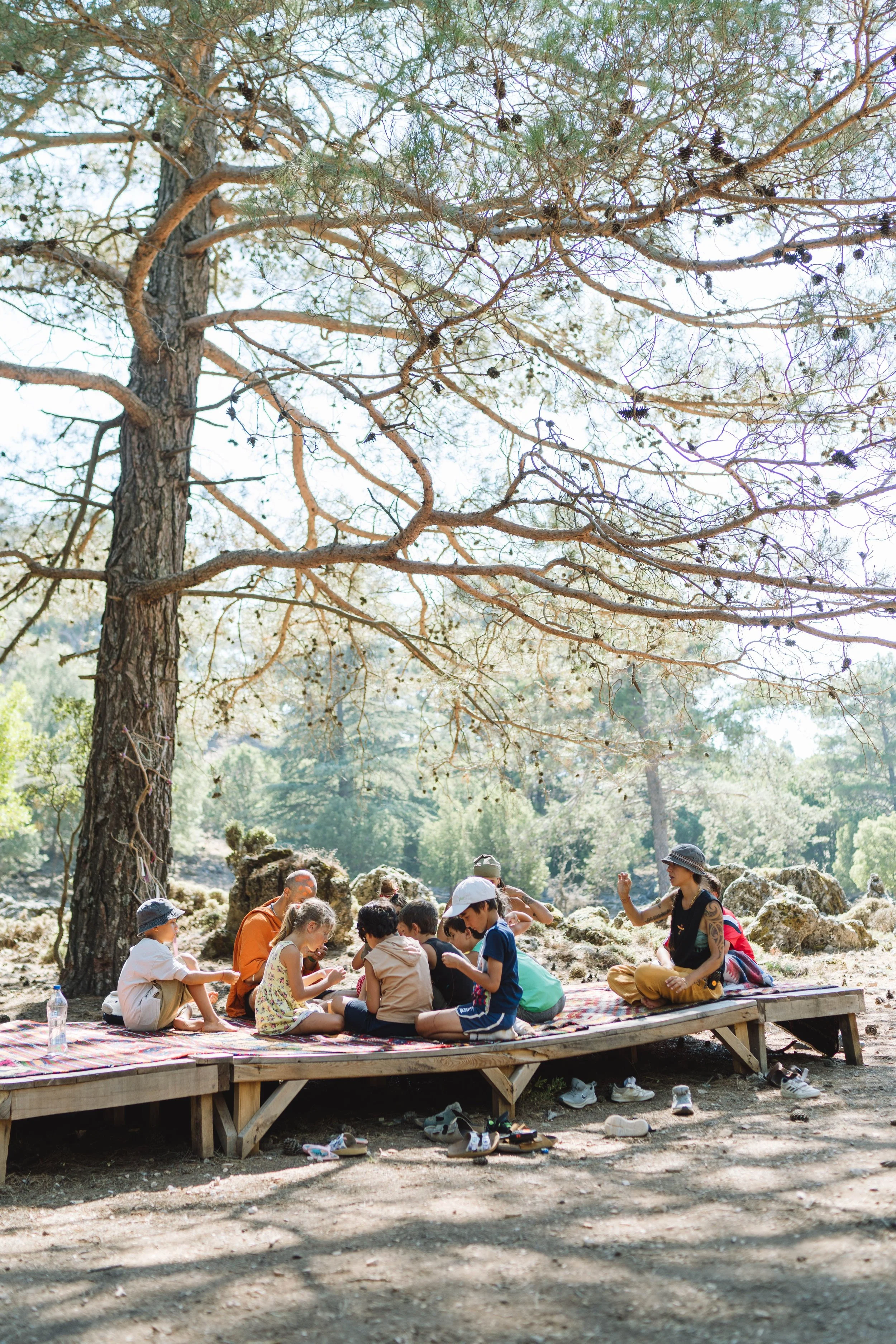
Summer camp is one of those childhood experiences that carries a lot of cultural weight. The image is familiar: kids running through fields, making friends, learning new skills, and gaining independence. For many children, camp is a highlight of the summer. For adopted children with trauma histories, however, the same experience can present unexpected challenges if it is not approached thoughtfully.
This does not mean adopted children cannot thrive at summer camp. Many do. But the decision to enroll a child in camp, and which camp to choose, benefits enormously from a trauma-informed lens. This post walks adoptive parents through the key considerations that should shape your summer camp decision-making process from the very beginning.
Understanding Why Camp Can Be Complicated for Adopted Children
For children who have experienced early relational trauma, separation, or instability, summer camp, particularly overnight camp, introduces a set of dynamics that can activate the nervous system in significant ways. Understanding why helps parents make better decisions rather than simply hoping for the best.
Adopted children, especially those who came from foster care or experienced early neglect, often carry hypervigilance, attachment sensitivities, and a lower tolerance for unpredictability. Camp environments, while exciting, involve unfamiliar adults, shifting routines, shared sleeping spaces, group dynamics, and separation from primary caregivers. Each of these factors individually might be manageable. Combined, they can become overwhelming.
The key point is not that camp is bad. It is that not all camps are equal, and not all children are ready for the same experience at the same time. For more on how trauma affects daily functioning and reactions to new environments, explore our resource on understanding trauma triggers in adopted children and managing them with care.
Assessing Your Child's Readiness
Before deciding whether and which type of camp to pursue, it helps to take an honest stock of where your child currently is developmentally and emotionally. Readiness for camp is not about age alone. It involves attachment security, emotional regulation capacity, and how your child typically handles transitions.
Consider asking yourself the following questions:
Can my child tolerate separation without significant distress or regression?
Does my child have predictable emotional regulation skills, or do they frequently become dysregulated under pressure?
How has my child handled previous transitions such as school year endings, vacations, or changes in routine?
Does my child have the language to advocate for themselves in an unfamiliar adult setting?
How does my child respond to new peer groups and unpredictable social dynamics?
There are no perfect scores here. Some children with trauma histories are genuinely ready for overnight camp by age ten, while others benefit from shorter day camp experiences well into their teen years. The goal is to match the experience to the child rather than fit the child to an expectation. Reviewing where your child is in terms of attachment can help calibrate that decision. The blog post on key attachment milestones in adoptive families provides useful context for this kind of reflection.
What to Look for in a Trauma-Informed Camp
Not all camps are designed to support children with complex needs, but some are, and others can be coached. Knowing what to look for makes your search more focused and effective. When you visit or contact a potential camp, the qualities below should guide your evaluation.
Here are the key qualities to prioritize when choosing a camp for an adopted child:
Low Staff-to-Camper Ratios
Smaller groups with more attentive adult supervision mean your child is less likely to fall through the cracks emotionally or behaviorally.
Counselors Trained in Child Development
Camps whose staff are equipped in emotional support, de-escalation, and responsive caregiving are far better prepared for children with attachment needs.
Flexible Programming
Rigid schedules and high-pressure activities can overwhelm children with trauma histories. Look for camps that allow for rest, reflection, and lower-stakes participation.
Clear, Predictable Daily Structure
Children who struggle with transitions often do better in environments that are consistent and predictable. A detailed daily schedule reduces anxiety around the unknown.
Active Communication With Parents
A camp that invites parent input and maintains regular communication during a session is more likely to catch and address problems early rather than waiting for a crisis.
Experience With Neurodiversity or Mental Health
Camps designed for neurodiverse children or those with mental health considerations often align naturally with the needs of adoptively placed youth, even when a formal diagnosis is not part of the picture.
Connecting with other adoptive parents can also help you identify camps with a proven track record with children from similar backgrounds. Word of mouth from the adoptive community is often more reliable than general online reviews.
Preparing Your Child Before Camp Begins
The preparation phase is just as important as the camp selection itself. Children who arrive at camp already grounded in what to expect and confident that their family will be there when it is over have a significant advantage from the first day.
Here are five steps to help you prepare your adopted child for a positive camp experience:
1. Visit the Camp Together in Advance
If at all possible, visit the camp with your child before the session begins. Walking the grounds, seeing the sleeping quarters, and meeting counselors in a low-pressure context can significantly reduce first-day anxiety. Familiarity is a comfort for children whose nervous systems are wired toward threat detection, and even a brief visit can transform the unknown into something manageable.
2. Build a Transition Object and Goodbye Routine
Give your child something physical to bring that represents home. This might be a family photo, a small comfort item, or a handwritten note they can read before bed. Pair this with a specific goodbye routine you practice in advance, so the separation on arrival day feels familiar rather than abrupt. Rituals reduce uncertainty in ways that pure reassurance cannot.
3. Practice Overnight Separations in Smaller Steps
If your child has not spent significant time away from home, jumping straight to a week-long camp stay can be too big a leap. Arrange sleepovers with trusted family members or close family friends first. Gradual exposure to separation builds the tolerance needed for a longer camp experience. This kind of incremental challenge connects to the approach explored in our post on outdoor adventures to strengthen family bonds, where manageable new experiences build both confidence and trust.
4. Have an Honest Conversation About What Will Be Hard
Talk openly with your child about what might be difficult at camp and what they can do when they feel overwhelmed. Practice specific phrases they can use with a counselor. Giving children language and strategies reduces the helplessness that can lead to behavioral escalation, and it tells them you believe in their ability to cope.
5. Establish a Clear Re-Entry Plan
Camp endings can be just as destabilizing as camp beginnings. Plan a low-key reintegration day when your child returns, with minimal demands, familiar foods, and extra connection time. Let your child know this plan in advance so they have something concrete to look forward to after camp ends. The transition home is its own adjustment, and naming it out loud helps children feel held throughout the full arc of the experience.
Preparation does not guarantee an easy experience, but it dramatically improves the odds. For additional support navigating seasonal transitions, take a look at our resource on combating seasonal challenges in adoptive families.
When Camp Does Not Go as Planned
Even with careful preparation, some children will struggle. A child who calls home in distress, shows regression after returning, or asks to leave early is not failing, and neither are you. What matters most is how you respond to those signals.
Resist the urge to push through at all costs. A child who has a traumatic camp experience will find it much harder to try again the following year. On the other hand, pulling a child at the very first sign of discomfort may reinforce avoidance patterns that are already part of the challenge. The decision requires weighing what your child's behavior is communicating and how long the distress has persisted.
If a camp experience triggers significant regression, increased behavioral challenges, or visible signs of retraumatization, that information matters and deserves to be taken seriously. PCC's post-adoption services are designed to support families through exactly these kinds of setbacks, helping you process what happened and adjust your approach going forward.
Building Toward Independence Over Time
The goal of a trauma-informed approach to summer camp is not to shield your child from all challenge. It is to sequence experiences in a way that builds genuine capacity for independence, connection, and resilience, rather than overwhelming a nervous system that is not yet ready for the full load.
Some families find that day camp works beautifully for several years before overnight camp becomes a realistic option. Others discover that a specialty camp built around a specific interest, whether art, animals, technology, or athletics, provides the motivational pull that makes the difficulty worthwhile.
Parent Cooperative Community's family support programs can help you think through the right timing and approach for your unique child. You do not have to make these decisions alone, and with the right support, summer can be a season of meaningful growth for your whole family. If you have questions about navigating major transitions like these, our FAQ page addresses many of the questions adoptive parents ask most often.
At Parent Cooperative Community, we are dedicated to supporting adoptive families every step of the way. If you have any questions or need assistance, please reach out to us. Together, we can build loving and lasting family bonds. Contact us today to learn more!