Helping Adopted Children Navigate Friendship Challenges
Friendships are among the most important relationships in a child's life. They provide companionship, help build social skills, and offer a sense of belonging outside the family unit. For adopted children, however, forming and maintaining friendships can come with unique challenges that are deeply connected to their early experiences, their sense of identity, and the way they understand trust and connection.
As a parent, watching your child struggle socially can feel heartbreaking. You may wonder why your child pushes friends away, clings too tightly, or seems to stand on the sidelines while other kids connect easily. Understanding the "why" behind these behaviors is the first step toward helping your child navigate the complex world of peer relationships with confidence and resilience. This blog will explore the roots of friendship challenges in adopted children and provide actionable guidance for parents who want to support their child's social growth.
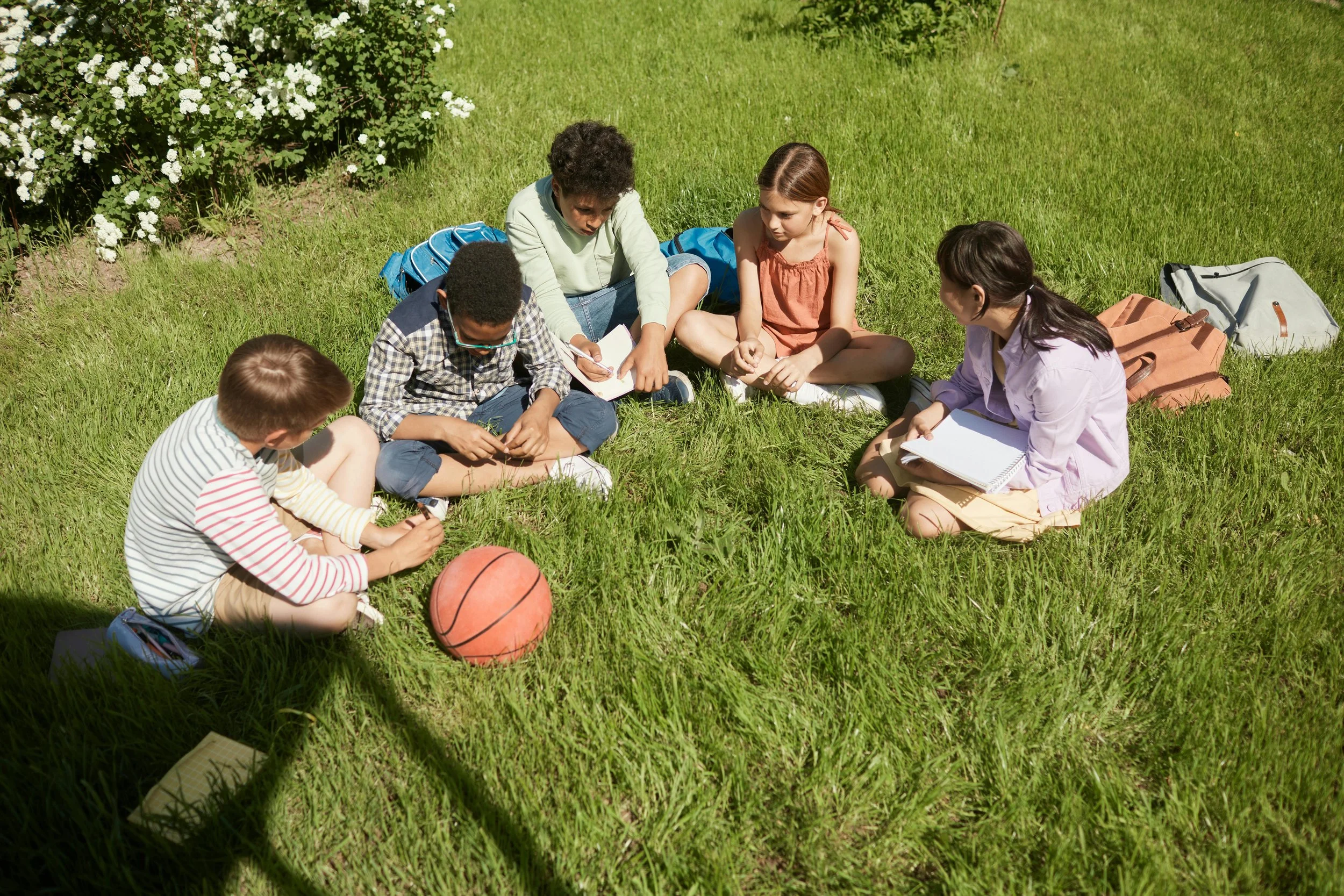
Why Friendship Can Be Harder for Adopted Children
Friendship requires a set of skills that many people take for granted: the ability to trust, to read social cues, to manage conflict, and to be vulnerable with another person. For children who have experienced disrupted attachments, neglect, or trauma in their early years, these skills may not have developed on a typical timeline.
Children who grew up without consistent, responsive caregiving may have developed an internal working model that tells them relationships are unreliable. This belief can show up in friendships in several ways. Some children may become overly eager to please, sacrificing their own needs to keep a friend happy because they fear abandonment. Others may test friendships by pushing boundaries or behaving in ways that drive people away, unconsciously confirming their belief that no one will stick around.
Additionally, adopted children may face social situations that their peers simply do not encounter. Questions about their family structure, comments about looking different from their parents, or assignments about family trees can create moments of discomfort and isolation. These experiences, even when they seem minor to an adult, can significantly affect a child's willingness to engage socially and their sense of identity and belonging.
Common Friendship Patterns in Adopted Children
Understanding the specific social patterns your child may exhibit can help you respond with greater empathy and precision. While every child is unique, several common friendship dynamics tend to emerge among adopted children whose early experiences shaped the way they approach relationships.
Here are some of the most frequently observed patterns:
Intense and Fast-Burning Friendships
Some children develop friendships very quickly and with great intensity, only to experience equally fast falling-outs, often reflecting an anxious attachment style where the child craves closeness but does not yet have the tools to sustain it through normal disagreements.
Peripheral Observation Without Engagement
Other children may remain on the edges of social groups, watching but not fully participating, which is often rooted in a fear of rejection or a learned pattern of self-protection developed during their early experiences.
Gravitating Toward Younger Children or Adults
Some adopted children prefer the company of younger children or adults rather than same-age peers, which can occur when their emotional or social development does not align with their chronological age due to early adversity.
People-Pleasing at the Expense of Their Own Needs
Certain children become overly accommodating in friendships, sacrificing their own preferences and boundaries to keep a friend happy because they fear that any conflict or assertion of needs will lead to abandonment.
Testing and Pushing Friends Away
Some children unconsciously test friendships by pushing boundaries or behaving in ways that drive peers away, confirming their deeply held belief that no one will stick around when things get difficult.
Recognizing these patterns without judgment allows parents to approach their child's social challenges with compassion rather than frustration, and it opens the door to targeted support that meets the child where they are.
Supporting Your Child's Social Skills at Home
The home environment plays a critical role in preparing children for the social world. The relationship between parent and child serves as the template for all other relationships, which means that the work you do at home to build trust, practice communication, and model healthy interaction has a direct impact on your child's ability to connect with peers.
One of the most effective things parents can do is create regular opportunities for low-pressure social interaction. Playdates, community events, and group activities that align with your child's interests can provide structured settings where friendships can develop naturally. The key is to start small and keep expectations realistic. A two-hour playdate with one friend may be far more beneficial than a large birthday party with a dozen classmates.
Parents can also use everyday moments to practice social skills. Role-playing common social scenarios, like how to join a group game or what to say when a friend hurts your feelings, gives children a script to fall back on when real situations arise. These rehearsals build confidence and reduce the anxiety that comes with unpredictable social interactions.
It is also important to validate your child's social struggles rather than minimizing them. Saying "I can see that was really tough for you" goes much further than "Just go talk to them" or "It is not a big deal." When children feel understood at home, they are more likely to take the risks required to build friendships out in the world.
Strategies to Help Your Child Build Stronger Friendships
Here are six strategies that can support your adopted child in developing healthier, more fulfilling peer relationships:
1. Teach Emotional Vocabulary
Many adopted children struggle to name their emotions, which makes it difficult to communicate with friends during moments of conflict or confusion. Help your child build a robust emotional vocabulary by regularly naming feelings in everyday life. You might say, "It looks like you are feeling disappointed that your friend could not come over. That makes sense." Over time, this gives children the language to express themselves clearly in social settings.
2. Practice Perspective-Taking
Friendships require the ability to consider another person's point of view. You can nurture this skill by discussing characters in books, movies, or TV shows. Ask questions like "Why do you think that character did that?" or "How do you think their friend felt in that moment?" These conversations build empathy in a way that feels natural and low-pressure.
3. Help Them Develop Self-Advocacy Skills
Adopted children need to know that they have the right to set boundaries and speak up for themselves in friendships. Teaching self-advocacy gives children the confidence to say "I do not like it when you say that" or "I need some space right now" without feeling guilty. These skills protect them from unhealthy dynamics and help them build friendships rooted in mutual respect.
4. Normalize Friendship Ups and Downs
Children often interpret conflict as a sign that a friendship is over. Help your child understand that disagreements are a normal part of any relationship and that working through them is how friendships grow stronger. Share age-appropriate examples from your own life to show them that even adults navigate misunderstandings and repairs in their friendships.
5. Find Social Settings That Match Your Child's Strengths
Not every child thrives in large, unstructured social environments. Some children do better in small groups, one-on-one interactions, or activity-based settings where the focus is on a shared interest rather than open-ended socializing. Sports teams, art classes, music groups, or PCC's day programs can provide structured environments where friendships form around shared experiences.
6. Build a Network of Understanding Peers and Families
Connecting with other adoptive families can provide your child with peers who share similar experiences. When a child realizes they are not the only one navigating questions about their family or their past, it can be profoundly validating. Seek out community events and support groups where adoptive families come together, and consider building confidence through broader support networks as your child grows.
These strategies work best when implemented consistently and with patience, recognizing that social growth happens gradually.
When to Seek Additional Support
Sometimes, despite a parent's best efforts, a child's social challenges may require professional guidance. If your child is consistently isolated, experiencing bullying, or showing signs of significant anxiety or depression related to their social experiences, it may be time to reach out for additional support.
Therapists who specialize in adoption and attachment can help children process the underlying beliefs and experiences that affect their ability to connect with peers. Family coaches can work with parents to develop tailored strategies for supporting their child's social development. Sibling dynamics within the home may also be worth exploring, as the relationships children have with brothers and sisters can significantly shape their expectations in friendships.
It is also worth considering how factors like cultural identity, LGBTQ+ identity, or experiences of stigma around adoption may be compounding your child's social challenges. A holistic approach that accounts for the whole child will be the most effective path forward.
Conclusion
Navigating friendship challenges is a common part of growing up, but for adopted children, these challenges often carry additional layers of complexity. By understanding the roots of your child's social behaviors, creating a supportive environment at home, and equipping them with practical skills, you can help them build the meaningful, lasting friendships they deserve.
Parent Cooperative Community is here to walk alongside your family. Through our post-adoption family support services, we help families develop the tools and confidence they need to support their children's social, emotional, and relational growth. Reach out to learn how PCC can be part of your family's story.
At Parent Cooperative Community, we are dedicated to supporting adoptive families every step of the way. If you have any questions or need assistance, please reach out to us. Together, we can build loving and lasting family bonds. Contact us today to learn more!