Understanding Sensory Processing Issues in Adopted Children
When your adopted child covers their ears at the sound of the vacuum, refuses to wear certain fabrics, or seems to crave constant movement, it may be more than just typical childhood preferences. For many adopted children, these behaviors are signs of sensory processing challenges rooted in early experiences of trauma, neglect, or inconsistent care. Understanding how sensory processing issues manifest in adopted children and learning strategies to support their unique needs can transform daily life and strengthen family connections.
What is Sensory Processing Disorder?
Sensory processing disorder occurs when the brain has difficulty receiving and responding to information that comes through the senses. While most people think of the five traditional senses (sight, sound, touch, taste, and smell), our sensory system actually includes eight sensory pathways. Beyond the familiar five, we also process vestibular input (balance and spatial orientation), proprioception (body awareness and position), and interoception (internal body signals like hunger, thirst, and need for the bathroom).
For children with sensory processing challenges, everyday sensations can feel overwhelming, confusing, or completely unnoticeable. A child might not register when they are hungry or need to use the restroom, while simultaneously feeling physically assaulted by the tag in their shirt or the hum of fluorescent lights. The brain's difficulty organizing and interpreting these sensory messages can lead to behavioral responses that seem disproportionate or puzzling to caregivers who don't understand what's happening beneath the surface.
Sensory processing exists on a spectrum. Some children are hypersensitive (over-responsive) to sensory input, experiencing normal sensations as painful or overwhelming. Others are hyposensitive (under-responsive), requiring much more intense input to register sensation at all. Many children display a mixed profile, being oversensitive in some areas while seeking more input in others.
Why Adopted Children Are More Vulnerable to Sensory Processing Issues
The connection between adoption and sensory processing challenges is significant and well-documented. Early experiences of trauma, neglect, prenatal substance exposure, or institutional care can profoundly impact how a child's sensory system develops. When a baby or young child does not receive consistent, attuned caregiving, their nervous system develops in a state of chronic stress, which can alter how sensory information is processed throughout life.
In typical development, infants learn to regulate their sensory experiences through co-regulation with responsive caregivers. A parent rocks a crying baby, adjusts lighting when the infant seems overwhelmed, or provides deep pressure through swaddling. These interactions teach the developing brain how to modulate sensory input and maintain equilibrium. Children who experienced early childhood trauma often missed these critical learning opportunities, leaving them without the internal regulatory tools that other children develop naturally.
Prenatal exposure to drugs, alcohol, or high levels of maternal stress can also affect sensory development before birth. The developing nervous system may be wired differently, making the child more prone to sensory dysregulation throughout childhood and beyond. Additionally, children who spent time in orphanages or foster care settings may have experienced sensory deprivation (lack of touch, movement, or varied sensory experiences) or sensory overload (constant noise, bright lights, unpredictable environments), both of which can create lasting sensory processing difficulties.
For adopted children, sensory processing issues are often intertwined with attachment and emotional regulation challenges. When a child's sensory system is dysregulated, their ability to feel safe and connected is compromised, making it harder to build secure attachments with their adoptive family.





Common Signs of Sensory Processing Issues in Adopted Children
Recognizing sensory processing challenges can be complex because they manifest differently in each child. Here are the most common patterns you might observe:
Sensory Seeking Behaviors
These children are constantly in motion, touching everything, making noise, or engaging in rough play that seems excessive or disruptive.
Sensory Avoiding Behaviors
These children withdraw from sensory experiences, refusing to wear certain clothing textures, covering their ears in moderately noisy environments, or becoming distressed by strong smells.
Difficulty with Transitions
Transitions between activities can be particularly challenging because they involve multiple sensory changes happening simultaneously.
Sensory Discrimination Struggles
These children have difficulty interpreting the quality of sensory input, not noticing when their face is dirty or struggling to navigate spaces without bumping into things.
Extreme Reactions to Minor Experiences
Complete meltdowns over hair brushing, refusal to walk barefoot on grass, or intense distress when clothes get wet indicate genuine sensory overwhelm.
Crashing and Jumping Behaviors
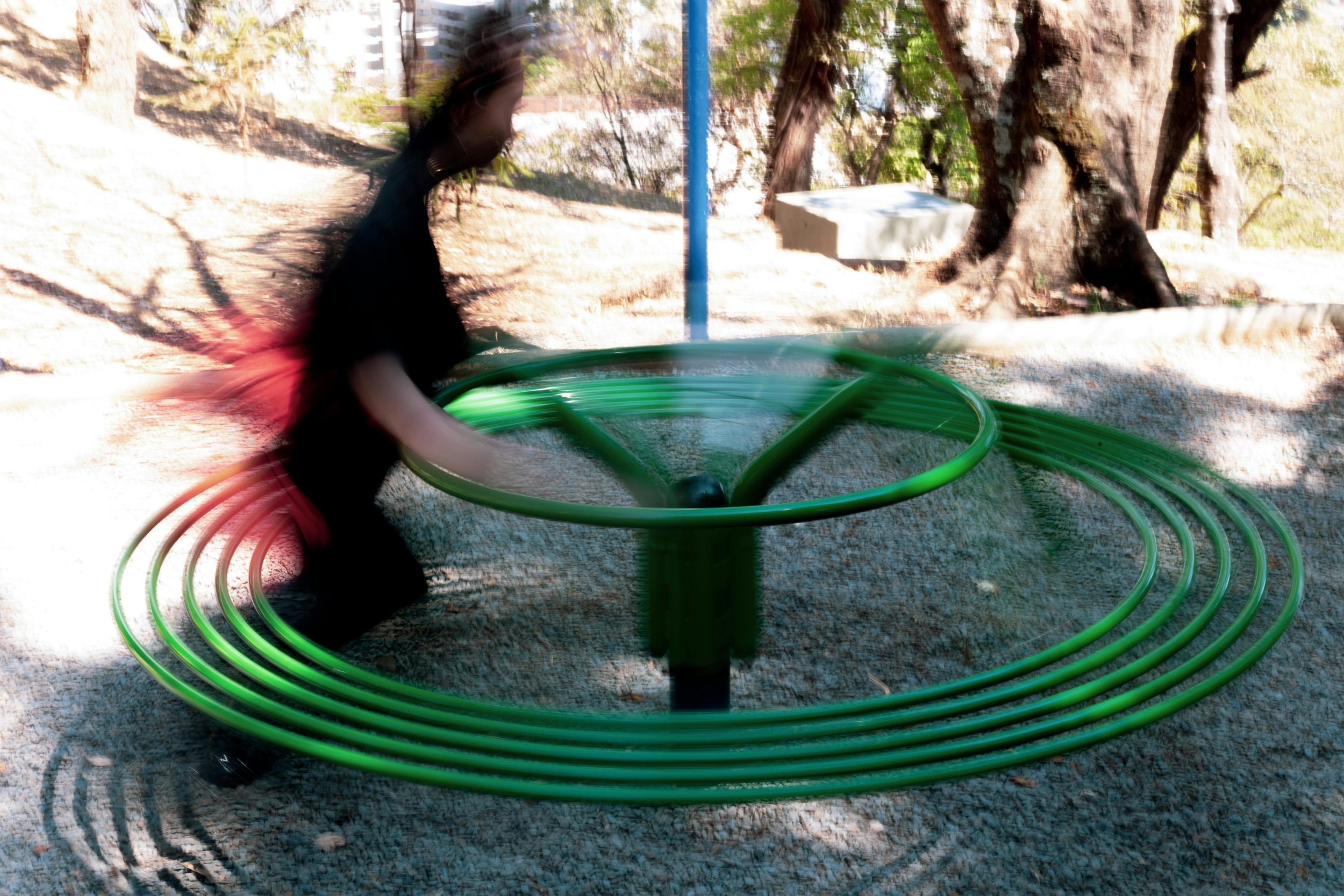
Children who crash into furniture, jump excessively, or seek out spinning and swinging are craving intense input to feel regulated and grounded.
Messy Play Avoidance
Refusal to engage with paint, sand, or other tactile materials signals heightened sensitivity to certain textures.
Poor Body Awareness
Children who use too much or too little force, frequently fall, or have trouble with tasks like buttoning clothes may be struggling with proprioceptive processing.
Watch for patterns and note which situations trigger your child's most challenging responses, as these observations will guide your support strategies.
The Connection Between Sensory Issues and Behavior Challenges
When adoptive parents understand that many challenging behaviors are actually sensory-driven, it fundamentally changes how they respond. A child who melts down during shopping trips may be experiencing sensory overload from fluorescent lighting, background music, multiple conversations, and visual stimulation. What looks like a tantrum is actually a nervous system in distress, triggering fight, flight, or freeze responses.
Children with sensory processing issues often struggle during daily routines that other families take for granted. Getting dressed can be torture when clothing textures feel painful against the skin. Mealtimes become battlegrounds when certain food textures trigger gagging or when the child literally cannot sense internal hunger cues. Bedtime may be complicated by either craving more sensory input (making it impossible to settle) or feeling overwhelmed by the quiet and darkness.
Social situations present unique challenges for children with sensory processing differences. A child who is hypersensitive to touch may respond aggressively when another child accidentally bumps into them, not because they're mean, but because the touch is registered as painful. Conversely, a sensory-seeking child might play too roughly, not understanding that they're hurting others because they need that level of intensity to feel anything themselves.
Understanding these connections helps caregivers move from reacting to behavior to responding to underlying needs. This shift from discipline to support is fundamental in creating an environment where adopted children can heal and develop better self-regulation skills.
Practical Strategies for Supporting Sensory Needs
Supporting a child with sensory processing issues doesn't require expensive equipment or perfect execution. Here are key strategies to help you get started:
1. Track Patterns and Observe
Begin by documenting when meltdowns occur, what sensory experiences seem to help your child calm down, and what environments or activities lead to dysregulation.
2. Create Sensory-Friendly Spaces
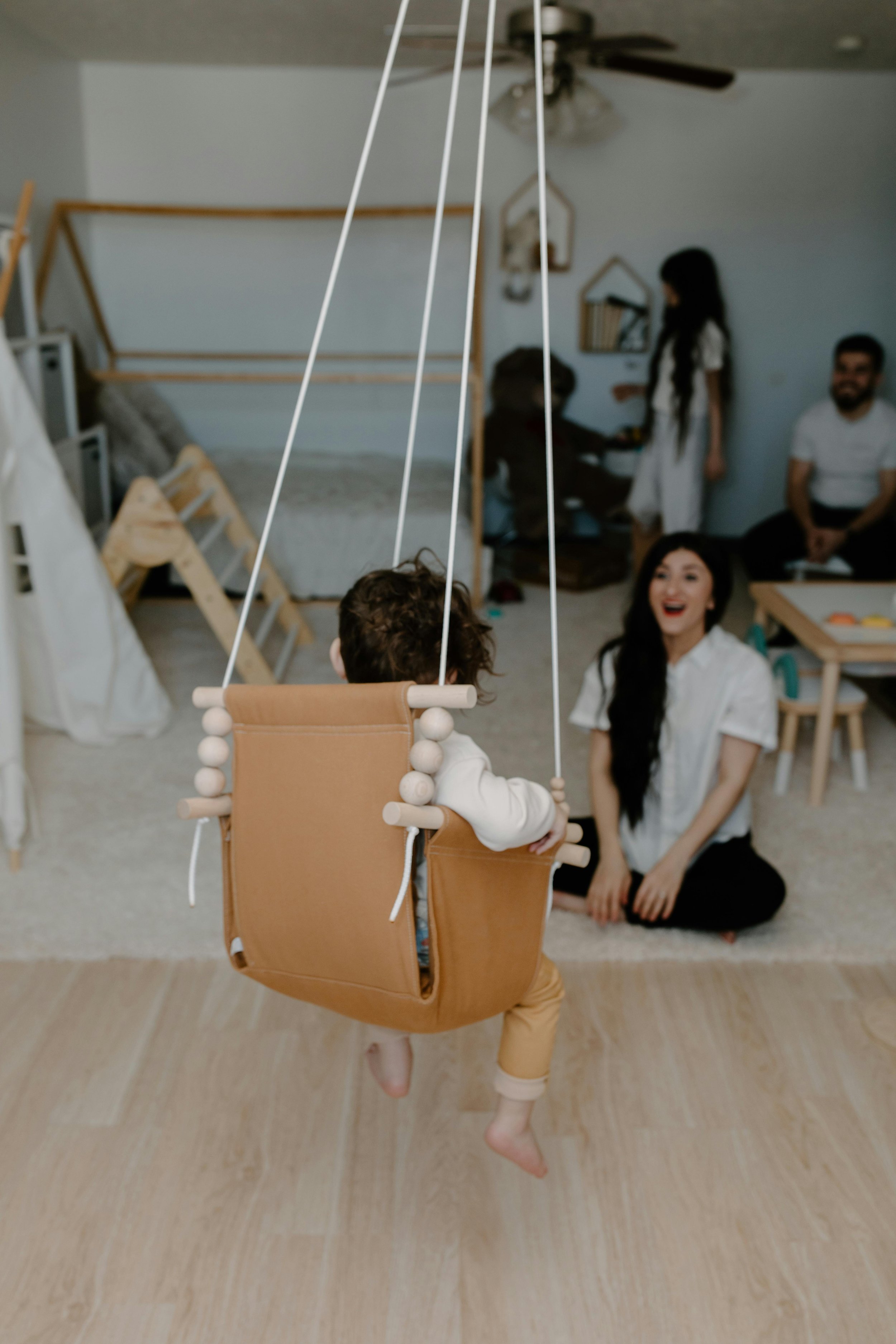
Provide appropriate outlets for sensory seekers (trampolines, therapy swings, crash pads) or reduce stimulation for avoiders (lower lighting, minimize noise, create quiet retreat spaces).
3. Incorporate Heavy Work Activities
Offer proprioceptive input through pushing a laundry basket, carrying groceries, or doing wall pushes to provide organizing and calming sensations.

4. Make Thoughtful Clothing Choices
Use seamless socks, tagless clothing, and let your child have input into their wardrobe to reduce tactile distress throughout the day.
5. Work with Occupational Therapists
Connect with professionals who specialize in sensory integration to assess your child's specific profile and develop targeted strategies.
6. Implement a Sensory Diet
Provide planned sensory experiences throughout the day that help your child maintain regulation before dysregulation occurs.
7. Build Predictability into Daily Life
Use visual schedules, transition warnings, and consistent routines to help children prepare their nervous systems for upcoming sensory experiences.
These strategies, implemented consistently and with patience, can make a tremendous difference in your child's ability to navigate their sensory world successfully.
How Parent Cooperative Community Supports Families
At Parent Cooperative Community (PCC), we recognize that many adopted children struggle with sensory processing challenges as a result of early trauma. Our wraparound services are designed to support families in understanding and addressing these complex needs through a trauma-informed lens.
Our team includes professionals who understand the intersection of trauma, attachment, and sensory processing. We work with families to develop individualized strategies that honor each child's unique sensory profile while building their capacity for self-regulation over time. Through parent coaching, we help caregivers recognize sensory triggers, respond effectively to sensory-driven behaviors, and create home environments that support healing.
PCC also offers connections to occupational therapists and other specialists who can provide targeted assessment and intervention for sensory processing challenges. We believe in a collaborative approach where families, therapists, and support coordinators work together to create comprehensive plans that address the whole child.
Our day programs incorporate sensory-friendly spaces and activities, recognizing that learning and emotional growth happen best when children's sensory needs are met. We also connect families with others who understand these challenges, creating a community where parents can share strategies, celebrate progress, and find encouragement during difficult moments.
Moving Forward with Understanding and Hope
Sensory processing challenges in adopted children are real and deserving of compassionate understanding. When caregivers recognize that difficult behaviors often stem from genuine sensory overwhelm, it opens the door to more effective responses. With support and appropriate interventions, most children develop better strategies for managing sensory input over time.
If you're navigating these challenges, remember you don't have to figure it out alone. At PCC, we offer resources, education, and community support as you help your child develop the skills they need to thrive. Every small accommodation and moment of patient understanding contributes to their healing and helps them feel safe, understood, and supported as they grow.
At Parent Cooperative Community, we are dedicated to supporting adoptive families every step of the way. If you have any questions or need assistance, please reach out to us. Together, we can build loving and lasting family bonds. Contact us today to learn more!