The Power of Routine: Creating Stability After Holiday Disruptions
The holidays are over, the decorations are packed away, and life is supposed to return to normal. But for many adoptive families, the weeks following holiday celebrations can feel anything but normal. Children who seemed to be doing well may suddenly exhibit challenging behaviors, emotional meltdowns, or difficulty with tasks that were previously manageable. Sleep schedules are disrupted, eating patterns have changed, and the predictable rhythm that held your family together seems to have vanished.
For adopted children, particularly those with histories of trauma or disrupted attachment, the transition away from holiday excitement can be unexpectedly difficult. The very routines that helped them feel safe and regulated were temporarily suspended during celebrations, and now the work of rebuilding stability begins. Understanding why routine matters so deeply for adopted children and knowing how to thoughtfully re-establish it can make the difference between weeks of struggle and a smooth return to family harmony.
Why Routine Matters for Adopted Children
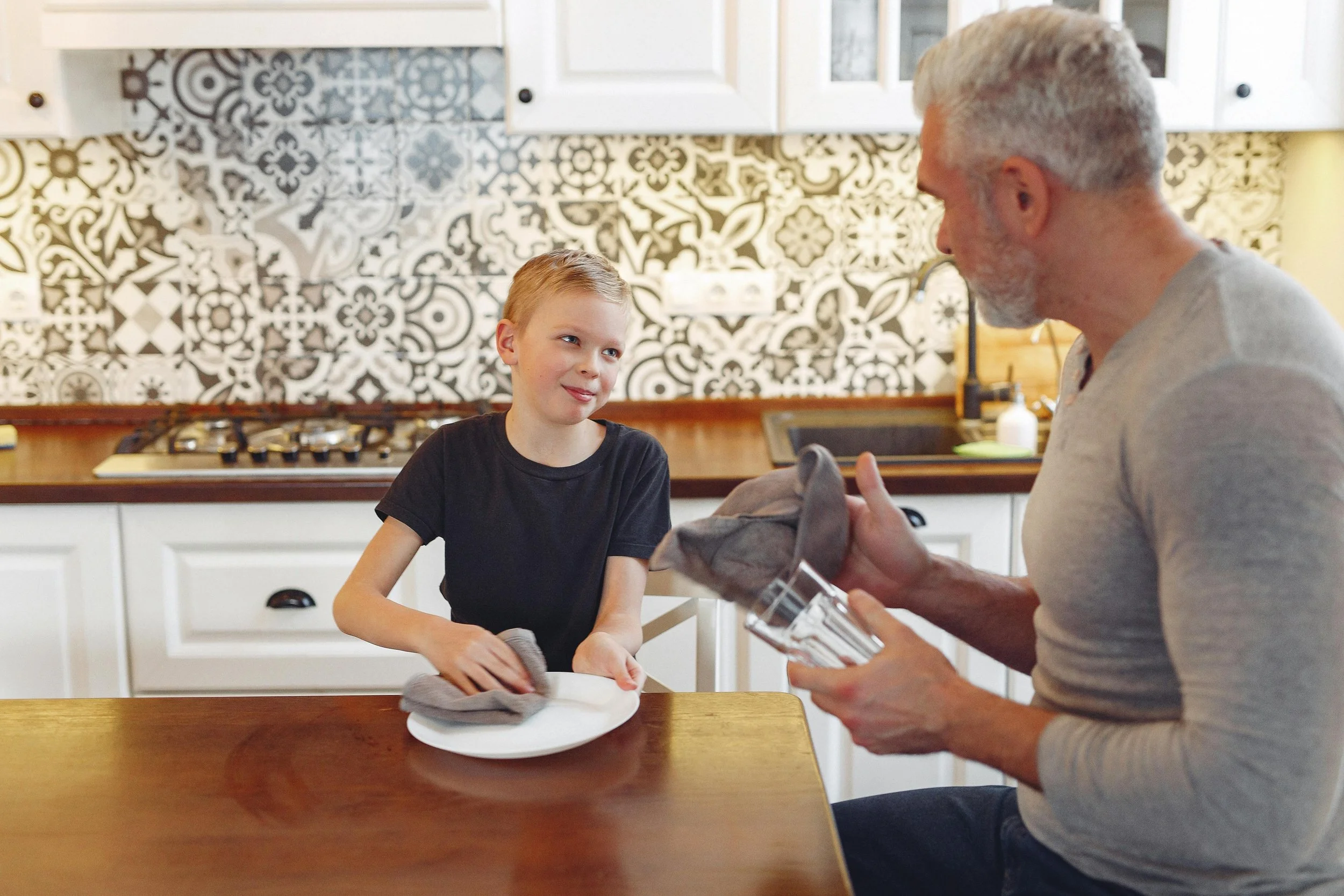
Routine is not simply about scheduling or convenience. For children who have experienced early trauma, neglect, or multiple placements, predictability serves a critical regulatory function. When a child knows what to expect and when to expect it, their nervous system can relax. They don't need to remain in a constant state of vigilance, scanning for threats or anticipating abandonment.
During typical development, children learn to trust that their needs will be met consistently. They develop internal clocks and expectations based on reliable caregiving patterns. Adopted children often miss these foundational experiences, leaving them without the internal sense of rhythm that other children develop naturally. External routines become the scaffolding that supports their developing sense of safety and trust.
The holidays disrupt this carefully constructed framework. Even joyful disruptions trigger stress responses in children whose early experiences taught them that change equals danger. Later bedtimes, unfamiliar foods, new people, altered schedules, and heightened emotional energy all contribute to dysregulation. What looks like misbehavior in the weeks following holidays is often a child's nervous system signaling that it needs the return of predictable patterns to feel safe again.
Routine also supports executive functioning, which many adopted children struggle with due to early adversity. When daily activities follow a predictable pattern, children don't need to constantly make decisions or anticipate what comes next. This cognitive ease allows them to focus their limited regulatory resources on other challenges, like managing emotions or engaging in learning.
Common Post-Holiday Challenges in Adoptive Families
The period following holiday celebrations brings unique challenges that can catch even experienced adoptive parents off guard. Understanding these common struggles helps families respond with empathy rather than frustration.
Sleep Disruptions
Holiday schedules often mean later bedtimes, overnight guests, or sleeping in unfamiliar locations, leaving children overtired and dysregulated for weeks.
Behavioral Regression
Children may return to behaviors they had previously outgrown, such as tantrums, clinginess, or difficulties with self-care tasks.
Emotional Volatility
Mood swings, increased irritability, or unexplained tearfulness often emerge as children process the overstimulation and changes of the holiday season.
Difficulty with Transitions
Moving between activities, getting ready for school, or shifting attention becomes noticeably harder after the unstructured holiday period.
Food-Related Struggles
Holiday treats and irregular meal times can trigger anxiety around food, picky eating, or hoarding behaviors in children with food insecurity histories.
Heightened Anxiety
The return to regular schedules can paradoxically increase anxiety as children worry about what other changes might be coming.
Attachment-Seeking Behaviors
Children may become more demanding of attention, test boundaries more frequently, or demonstrate jealousy toward siblings as they seek reassurance of their place in the family.
Sensory Overload Responses
The accumulated sensory experiences of holidays may result in increased sensitivity to sounds, textures, or physical touch in the days and weeks that follow.
Recognizing these patterns as normal responses to disruption rather than willful defiance helps parents respond in ways that rebuild safety rather than compound stress.
Practical Strategies for Re-Establishing Routine
Creating stability after holiday disruptions requires intentionality, patience, and a graduated approach. Here are evidence-based strategies to help your family find its rhythm again:

1. Return to Sleep Schedules Gradually
Don't expect immediate adjustment; instead, move bedtime earlier by 15-minute increments every few nights until you reach your target schedule.
2. Prioritize Predictable Meal Times
Even if you're flexible about what's served, keeping meal times consistent helps regulate blood sugar, mood, and the body's internal clock.
3. Re-Implement Visual Schedules
Use pictures or written schedules to show the day's rhythm, providing external structure that reduces anxiety about what comes next.
4. Create Transition Rituals
Develop small routines that mark shifts between activities, like a special song before cleanup time or three deep breaths before leaving the house.
5. Maintain Connection Rituals
Preserve the one-on-one time or special traditions you established during holidays so children don't experience the return to routine as a loss of connection.
6. Build in Sensory Regulation Time
Include predictable opportunities for movement, quiet time, or sensory activities that help children's nervous systems recalibrate throughout the day.
7. Communicate Changes in Advance
Give children a warning when schedules will shift, and talk through what the new routine will look like before implementing it.
These strategies work best when implemented consistently and with patience, recognizing that rebuilding routine is a process that may take several weeks.
How Parent Cooperative Community Supports Post-Holiday Transitions
At Parent Cooperative Community (PCC), we understand that seasonal disruptions can be particularly challenging for adoptive families. Our wraparound services provide comprehensive support during these transition periods through trauma-informed parent coaching and practical strategies.
Our team works with families to develop individualized routine structures that honor each child's unique regulatory needs while accommodating family life's natural rhythms. We recognize that what works for one family may not work for another, and we help parents identify the specific routines that will most benefit their child's nervous system.
Through parent coaching, we help caregivers understand the neuroscience behind why routine matters so deeply for children with trauma histories. This knowledge transforms how parents respond to post-holiday challenges, shifting from frustration to compassion as they recognize their child's behavior as communication about their need for predictability.
PCC also connects families with others navigating similar challenges through our events and community resources. Hearing from other adoptive parents about what has worked for them during post-holiday transitions can provide both practical ideas and emotional validation.
Moving Forward
Rebuilding routine after holiday disruptions doesn't require perfection. It requires presence, consistency, and a willingness to see this challenging period as an opportunity to reinforce your child's sense of safety. With patience and the right support, families can navigate post-holiday transitions successfully, emerging with even stronger connections.
Remember that every small step toward predictability helps your child's nervous system settle. If you're struggling with post-holiday behavioral challenges or need support developing routines that work for your unique family, PCC's resources and community are here to help guide your journey toward stability and thriving.
At Parent Cooperative Community, we are dedicated to supporting adoptive families every step of the way. If you have any questions or need assistance, please reach out to us. Together, we can build loving and lasting family bonds. Contact us today to learn more!