Telling Your Family's Adoption Story Through Creative Projects
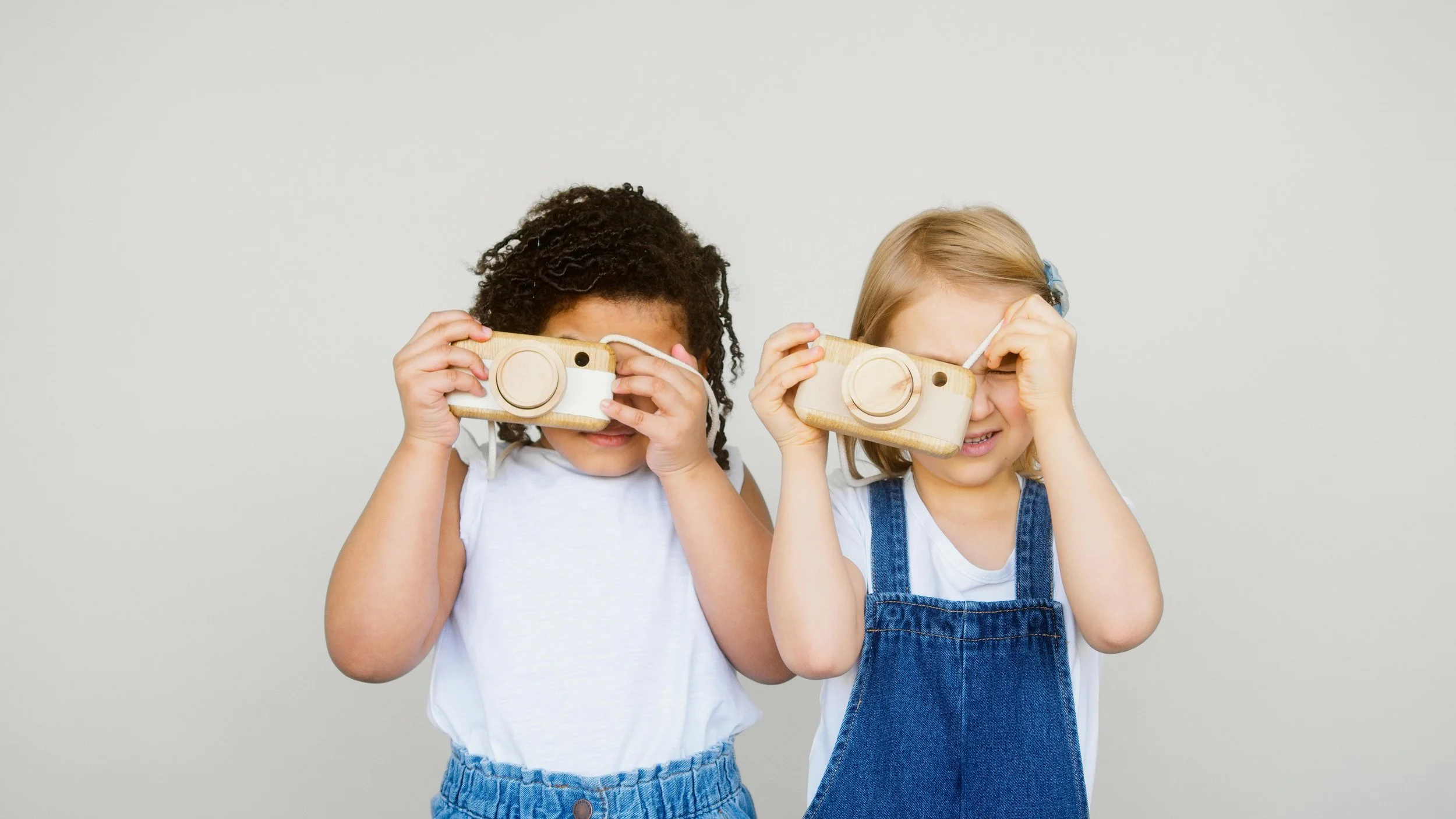
Every family has a story, and for adoptive families, that story often weaves together multiple threads of identity, belonging, heritage, and love. These narratives hold profound meaning, yet they can sometimes feel difficult to articulate or share in ways that honor their complexity. Creative projects offer a powerful avenue for telling your family's adoption story. Through art, writing, photography, and other forms of expression, families can celebrate their journey, help children understand their identity, and create tangible keepsakes that will be treasured for years to come.
This blog explores meaningful creative projects that bring adoption stories to life while strengthening family bonds and affirming each person's place within the family narrative.
Why Creative Storytelling Matters in Adoption
For adoptive children, understanding their story is essential to developing a healthy sense of identity and self-worth. Helping adoptive children share their narratives empowers them to own their experiences and see themselves as active participants in their life journey rather than passive recipients of circumstances beyond their control.
Creative projects provide a safe, engaging way to explore complex emotions and experiences that might be difficult to express through conversation alone. When children can draw, write, or craft representations of their story, they gain agency over the narrative. They choose which moments to highlight, how to depict relationships, and what emotions to explore. This process validates their experiences while giving them tools to process feelings about adoption, loss, identity, and belonging.
For parents, creative storytelling projects offer opportunities to model openness about adoption while demonstrating that every part of a child's history deserves respect and acknowledgment. These activities create natural openings for conversations about birth families, cultural heritage, and the circumstances that brought the family together. Rather than avoiding difficult topics, creative projects allow families to approach them with curiosity, compassion, and creativity.
Moreover, completed projects become precious family artifacts. A life book created in childhood can be revisited during adolescence when identity questions resurface. A family photo album documenting the adoption journey reminds everyone of how far they've come together. These tangible representations of the family story provide continuity and connection across developmental stages.
Types of Creative Projects for Adoption Stories
The beauty of creative storytelling lies in its flexibility. Families can choose projects that align with their children's ages, interests, and comfort levels while honoring the unique aspects of their adoption experience.
1. Life Books and Memory Albums
Life books serve as visual timelines that help children understand their complete story, including the time before they joined their adoptive family.
2. Cultural Heritage Projects
For families formed through transracial or international adoption, celebrating cultural heritage through creative projects validates an essential part of a child's identity.
3. Family Tree Artwork
Creating inclusive family trees that honor both adoptive and biological connections helps children see that they belong to multiple families simultaneously.
4. Storytelling Through Mixed Media
Combining photographs, drawings, written narratives, and collected items creates rich, multidimensional representations of the adoption journey.
5. Video Documentation
Recording family members sharing memories, feelings, and hopes creates dynamic keepsakes that capture voices, expressions, and emotions in ways static projects cannot.
Creative projects work best when they evolve alongside the family, with new elements added as children grow and their understanding of their story deepens.
Incorporating Cultural Heritage into Creative Projects
For children adopted across racial, ethnic, or cultural lines, creative projects that explore and celebrate their heritage play a vital role in identity formation. These projects communicate that all parts of who they are belong within the family and deserve recognition.
Cultural heritage projects might include creating recipe books featuring traditional foods from a child's birth culture, complete with photos of the family preparing and enjoying these meals together. Families can document their learning process as they explore new cuisines, reinforcing that everyone is on this discovery journey together.
Art projects inspired by traditional crafts, textiles, or artistic styles from a child's heritage culture offer hands-on engagement with cultural traditions. Research the significance behind patterns, colors, or techniques, and discuss what these elements represent. Display finished projects prominently in your home, signaling that this culture has an honored place in your family life.
Language learning projects create meaningful connections to heritage while building practical skills. Even if fluency isn't the goal, learning key phrases, songs, or stories in a birth language validates its importance. Create bilingual books, posters, or flashcards that make language learning playful and integrated into daily life.
Music and movement projects exploring traditional songs, instruments, or dances from a child's culture engage multiple senses and create joyful shared experiences. Record videos of the family learning these traditions together, documenting both the sometimes awkward learning process and eventual mastery. These recordings become precious memories that show the family's commitment to embracing culture and identity in adoption.
Timeline projects that map important historical events, cultural celebrations, or significant figures from a child's heritage culture place their personal story within a broader cultural context. This helps children understand they are part of something larger than their individual experience.
Engage with community resources and cultural organizations to ensure authenticity in these projects. Seek guidance from cultural mentors or community members who can share their knowledge and help families avoid appropriation or misrepresentation. The goal is genuine engagement and respect, not superficial celebration.
Age-Appropriate Project Ideas
Tailoring creative projects to children's developmental stages ensures engagement and success while building complexity as children mature.
Preschool and Early Elementary (Ages 3-7)
Simple projects focusing on concrete concepts work best for young children. Create "All About Me" books with photos, handprints, and basic information. Make family collages using magazine cutouts and family photos. Design simple family trees using craft materials where children can place photos of family members.
Elementary (Ages 8-11)
Children in this age range can handle more complex narratives and begin understanding nuance in their adoption stories. Create detailed life books with written narratives alongside photos. Design cultural heritage posters researching traditions, holidays, and history. Start journaling projects where children write about their feelings, questions, and experiences. Create timeline projects mapping their life from birth through the present.
Middle School (Ages 12-14)
Adolescents often revisit identity questions with new depth and may benefit from more sophisticated projects. Support them in creating video documentaries interviewing family members. Encourage art portfolios exploring identity themes through various media. Facilitate writing projects like memoirs, poetry collections, or fictional stories inspired by their experiences. Digital storytelling using social media formats may appeal to tech-savvy teens.
High School (Ages 15-18)
Older teens can tackle complex projects that explore their adoption story with a mature perspective. Support independent research projects exploring topics like adoption law, birth parent perspectives, or cultural history. Encourage artistic explorations through painting, photography series, or musical compositions. Facilitate advanced writing projects like research papers, personal essays for college applications, or creative writing collections.
Regardless of age, let children set the pace and depth of engagement with their adoption story. Never force participation, but consistently offer opportunities for creative expression.
Making Projects a Family Bonding Experience
The process of creating adoption story projects together often matters as much as the finished product. These collaborative activities strengthen family bonds while building shared understanding.
Set aside dedicated creative time when the family can work together without distractions. Create a comfortable workspace with all necessary materials readily available. Play background music, provide snacks, and establish a relaxed atmosphere where conversation flows naturally. Some of the most meaningful discussions about adoption occur organically during these creative sessions rather than in formal sit-down talks.
Emphasize that there's no "right way" to express the family story. Each person's perspective and contribution adds value. When younger children create seemingly simple drawings, affirm their effort and ask them to tell you about their creation. Often, children's artistic expressions reveal feelings or understandings they haven't verbalized.
Share the work equitably rather than having parents do all the heavy lifting. Even young children can choose photos, apply glue, or dictate words for adults to write. As children age, give them increasingly more control over project decisions while remaining available for support. This balance of independence and collaboration models healthy family dynamics.
Document the creation process itself through photos or videos. Years later, images of the family working together on projects often prove as meaningful as the finished products. These behind-the-scenes glimpses capture family relationships, individual personalities, and the evolution of the family's adoption story over time.
Celebrate completed projects together. Display them prominently in your home, share them with extended family, or present them as gifts during significant milestones like adoption anniversaries. Acknowledging progress and little wins through project celebration reinforces that the adoption story is something to embrace with pride rather than something to hide or feel ashamed about.
Sharing Projects Beyond the Family
While some creative projects remain private family keepsakes, others can be shared more broadly to educate, inspire, or connect with the adoption community.
Consider participating in adoption-related art exhibitions, writing contests, or community events where adoptive families share their stories. These opportunities help children see themselves as part of a larger adoption community while educating others about adoption experiences. The validation of having their story publicly recognized can be powerfully affirming.
School projects offer natural opportunities to share adoption stories when children feel comfortable doing so. Support children in creating presentations about their cultural heritage, family structure, or adoption journey for classes. Provide guidance on setting boundaries around what information feels appropriate to share publicly versus what should remain private.
Online platforms allow families to share projects with geographically dispersed relatives or connect with other adoptive families. Private blogs, family websites, or secure photo-sharing services enable ongoing documentation and sharing while maintaining control over who accesses the content.
Some families choose to share their creative projects with their child's birth family when open adoption relationships exist. Photo books, videos, or letters documenting the child's growth and the family's life together help birth family members feel connected. Similarly, projects that honor birth family members or include them in the family narrative can be shared to demonstrate respect and appreciation.
Always prioritize the child's privacy and comfort level when considering sharing projects beyond the immediate family. As children mature, include them in decisions about what to share and with whom. Respecting their boundaries around their story empowers them and reinforces that the story belongs to them.
Conclusion
Creative projects transform adoption stories from abstract concepts into tangible, accessible narratives that children can see, touch, and return to throughout their lives. Through life books, cultural heritage explorations, mixed media art, and collaborative storytelling, adoptive families create lasting keepsakes while strengthening bonds and affirming every family member's place in the shared story.
These projects honor the complexity of adoption, holding space for joy and loss, past and present, biological and adoptive connections. They give children agency over their narratives while providing parents with tools to facilitate open, ongoing conversations about identity and belonging.
Parent Cooperative Community supports adoptive families in all aspects of their journey, including helping children develop healthy identities and strong family connections. Our programs provide the guidance, resources, and community support families need to thrive. Whether you're just beginning to explore creative storytelling or seeking support for more complex aspects of your adoption journey, PCC offers the expertise and compassion that helps families flourish.
At Parent Cooperative Community, we are dedicated to supporting adoptive families every step of the way. If you have any questions or need assistance, please reach out to us. Together, we can build loving and lasting family bonds. Contact us today to learn more!