Celebrating Male Caregivers in the Adoption Journey this Father's Day
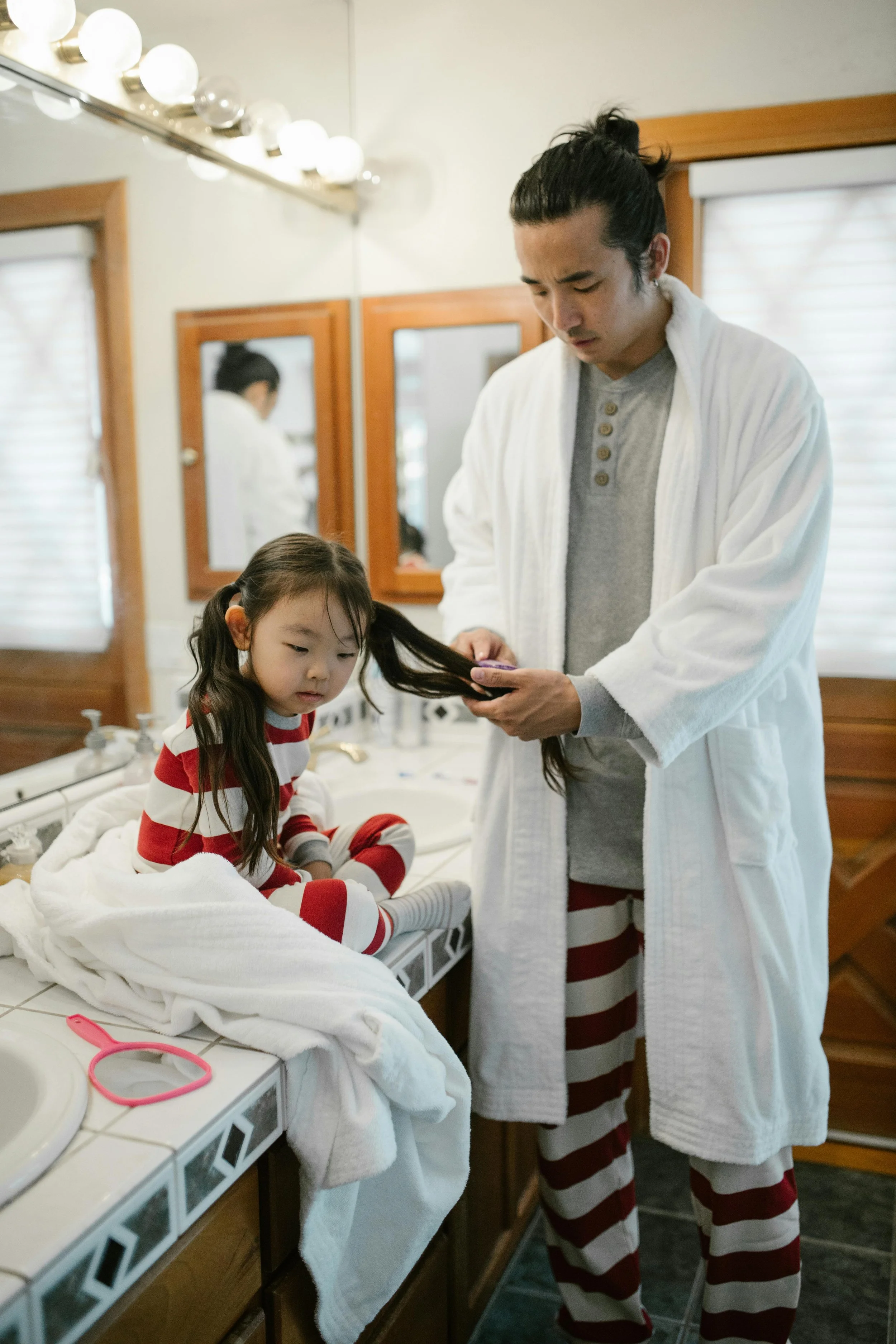
Father's Day brings a complicated tenderness to many adoptive families. For some children, it stirs questions about birth fathers they never knew. For others, it raises the question of who counts as a "real" dad, when the answer in their life has always been more layered than a greeting card suggests. And for the men who have stepped into the role of father, foster dad, uncle, mentor, or grandfather, the day can carry a quiet weight of being both seen and uncertain.
This Father's Day, we want to widen the lens. Adopted children are shaped not only by one father figure but by a constellation of male caregivers whose presence can be transformative. Honoring those men, in all their forms, is part of how we honor the children they love.
Why Father's Day Carries Complex Feelings in Adoption
Hallmark holidays don't always fit the texture of adoptive family life. Father's Day in particular can surface grief, loyalty conflicts, and questions about identity. A child may feel that loving their adoptive father somehow betrays a birth father they've never met. A teen may withdraw from the day altogether, finding it too tender to mark.
These reactions are not signs of poor attachment. They are signs that your child is actively processing their story. Adoptive fathers and other male caregivers who can hold this complexity, rather than rushing to fix it or take it personally, give their children a profound gift.
Our work on fatherhood in adoption explores this terrain in greater depth. The bottom line: love does not have to compete with love. Children can hold space for multiple father figures in their hearts, and adults can model that this is not only possible but healthy.
The Many Faces of Male Caregivers
In adoptive families, the term "male caregiver" rarely means just one person. Children are often shaped by a wider network of men whose contributions deserve recognition.
The male caregivers in an adopted child's life may include:
Adoptive fathers who have walked the journey from the beginning
Foster fathers whose temporary love laid groundwork for healing
Grandfathers who provided continuity through transitions
Uncles, godfathers, and family friends who showed up as steady presences
Coaches, teachers, and mentors who became trusted male role models
Older brothers who stepped into protective roles
Stepfathers who joined the family later and chose to stay
Each of these relationships matters. Each represents a man who chose, at some point, to invest in a child whose story did not begin with him. Recognizing the full constellation of male caregivers in your child's life is part of the larger work we do on the role of siblings in adoption and the wider family system.
What Adopted Children Need from Father Figures
What adopted children consistently respond to in male caregivers is not always what our culture associates with fatherhood. Adopted children don't primarily need providers, fixers, or disciplinarians. They need men who are emotionally present, predictable, and willing to do their own inner work.
This represents a real shift for many men who grew up with more traditional models of fatherhood. The good news is that the qualities adopted children need are skills that can be developed. Patience, attunement, and emotional availability are not gifts you either have or don't. They are practices.
Adoptive fathers who lean into this work often find that the journey transforms them as much as it transforms their children. The act of becoming the father an adopted child needs is also a path to becoming a more whole version of yourself. This is part of what makes adoption stories such powerful examples of celebrating success stories in family life.
Five Ways to Honor Male Caregivers This Father's Day
Father's Day in an adoptive family doesn't have to follow the script. Below are five thoughtful ways to honor the male caregivers in your child's life that go deeper than a tie or a card.
1. Acknowledge the Whole Constellation
Rather than focusing only on one father figure, take time as a family to name the men who have shaped your child's life. This might include adoptive dad, grandfathers, uncles, foster dads, mentors, or birth fathers if your child is comfortable. Naming these men aloud, with respect, teaches your child that all of these connections are valid and valued.
For older children, this can be a meaningful conversation about the different roles men have played in their journey. For younger children, a simple drawing or a list together can do the same work in a quieter way.
2. Tell the Story of How He Showed Up
Specific stories carry more weight than generic praise. Take time on or before Father's Day to share with your child a real story about how a male caregiver showed up for them. Maybe it was the first night they came home and Dad sat with them through a hard moment. Maybe it was Grandpa teaching them to ride a bike. The detail matters.
These stories become part of your child's narrative about themselves: that they have been loved by men who stayed.
3. Give Space for Complicated Feelings
If your child is quiet, withdrawn, or seems to want to skip the day, honor that. Don't push for forced cheerfulness. Instead, gently let them know that mixed feelings on Father's Day are completely understandable and that you're available if they want to talk. Sometimes the most loving thing a father figure can do is let his child know that he can hold the complexity without needing it to be resolved.
This kind of presence builds trust in ways that performative celebrations cannot.
4. Include the Men Behind the Scenes
Many male caregivers don't think of themselves as father figures but absolutely are. The uncle who texts to check in, the youth pastor who remembers your child's birthday, the coach who notices when something is off. Father's Day is a beautiful time to send a brief note thanking these men for their quiet presence. This kind of gratitude is connected to the broader work of supporting adoptive families through the lens of generational wisdom.
These notes often mean more than the men receiving them realize, and they model gratitude for your child.
5. Invite Your Child to Honor Their Own Voice
For older children and teens, ask them how they want to mark Father's Day this year. Maybe they want to write their dad a letter. Maybe they want to skip a public celebration but spend an afternoon together fishing. Maybe they want to honor a birth father in some private way. Inviting your child to design the day is one of the deepest forms of empowering adoptive children to teach self-advocacy skills.
When children feel ownership over how their stories are told, they begin to write themselves into them.
Supporting Dads Who Are Walking This Journey
Adoptive fathers and other male caregivers often carry their own quiet weight. They may not always have language for the grief, joy, and complexity of stepping into a child's life mid-story. They may struggle with cultural expectations that men should be stoic, providing, or fixing rather than feeling.
If you are an adoptive father, we want to say this clearly: your presence matters more than your performance. The men who change adopted children's lives are not the men who do everything right. They are the men who keep showing up, keep doing their own work, and keep choosing the relationship even when it's hard.
If you're new to this journey or struggling, you don't have to navigate it alone. Communities like Parent Cooperative Community exist to walk alongside fathers as well as mothers. You can learn more about our team of trauma-informed practitioners who support fathers across California, or read about our impact on families like yours.
This work is part of changing the stigma around adoption to acceptance, and male caregivers play a vital role in that cultural shift.
A Day to Pause and Honor
This Father's Day, take a moment to look around at the men in your child's life. Notice the ones who have stayed. Notice the ones who have shown up in the small, repeated ways that build a life. Notice yourself if you are one of them.
Their work is often invisible, but it shapes the children we love in lasting ways. If you'd like to connect with PCC for support along the journey, please reach out to us. We'd be honored to walk with your family.
At Parent Cooperative Community, we are dedicated to supporting adoptive families every step of the way. If you have any questions or need assistance, please reach out to us. Together, we can build loving and lasting family bonds. Contact us today to learn more!